It seems like you’re visiting from a different country. Click the button below to visit the website in your area.











Commercial Ice Machine vs Bagged Ice
For many businesses, ice is not a once-in-a-while purchase. It is something you rely on every day. Yet many companies continue buying bagged ice long after it stops making financial sense.
Choosing between bagged ice and a long-term or rented commercial ice machine is not just about the price per bag. It affects how much control you have, how much staff time is used, how reliable your supply is, and what you spend over the long term. This guide explains where the real tipping point sits, so you can make a practical decision without over-investing if your needs are still low.
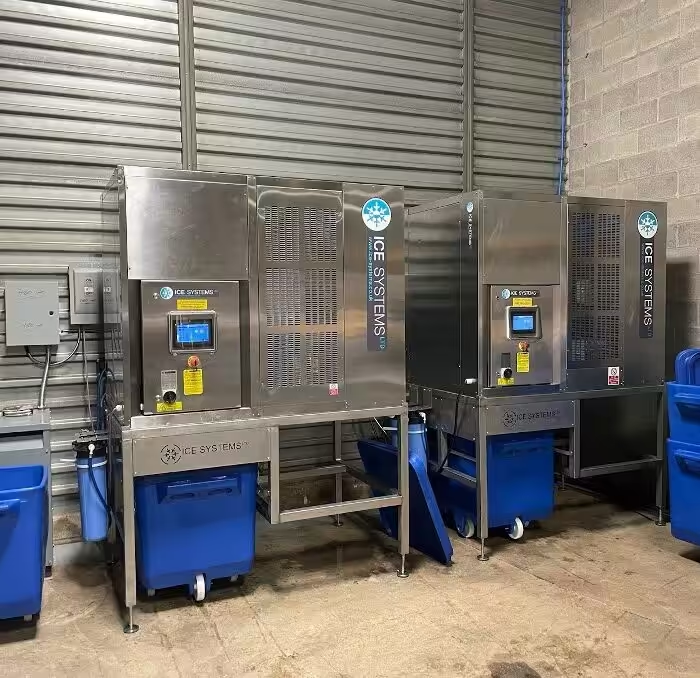
Daily ice consumption is the key factor when choosing between bagged ice and an on-site ice machine. In large-scale food manufacturing and commercial bakery environments for example, the demand is typically a lot higher than in standard commercial settings, making bagged ice increasingly inefficient as production volume grows.
In commercial bakeries, food manufacturing plants and processing facilities, daily ice usage exceeds 300 lbs and can easily reach several thousand pounds per day depending on the output. At these volumes, the operational drawbacks of bagged ice become significant, including repeated deliveries, increased storage requirements, manual handling ad hygiene concerns.
For high-volume food production environments, reliability and consistency and critical. Ice is usually integrated directly into the manufacturing process, meaning any disruption in supply can impact production schedules and product quality. As a result, many large bakeries and food processing facilities reach the point where investing in an on-site commercial ice machine becomes more cost effective and operationally reliable than relying on delivered bagged ice.
Some manufacturing facilities may also experience seasonal or production-driven spikes in demand, particularly during peak production periods. In these cases, businesses often evaluate whether permanent ownership, supplementary rental equipment or hybrid solutions provide the most efficient long-term approach.

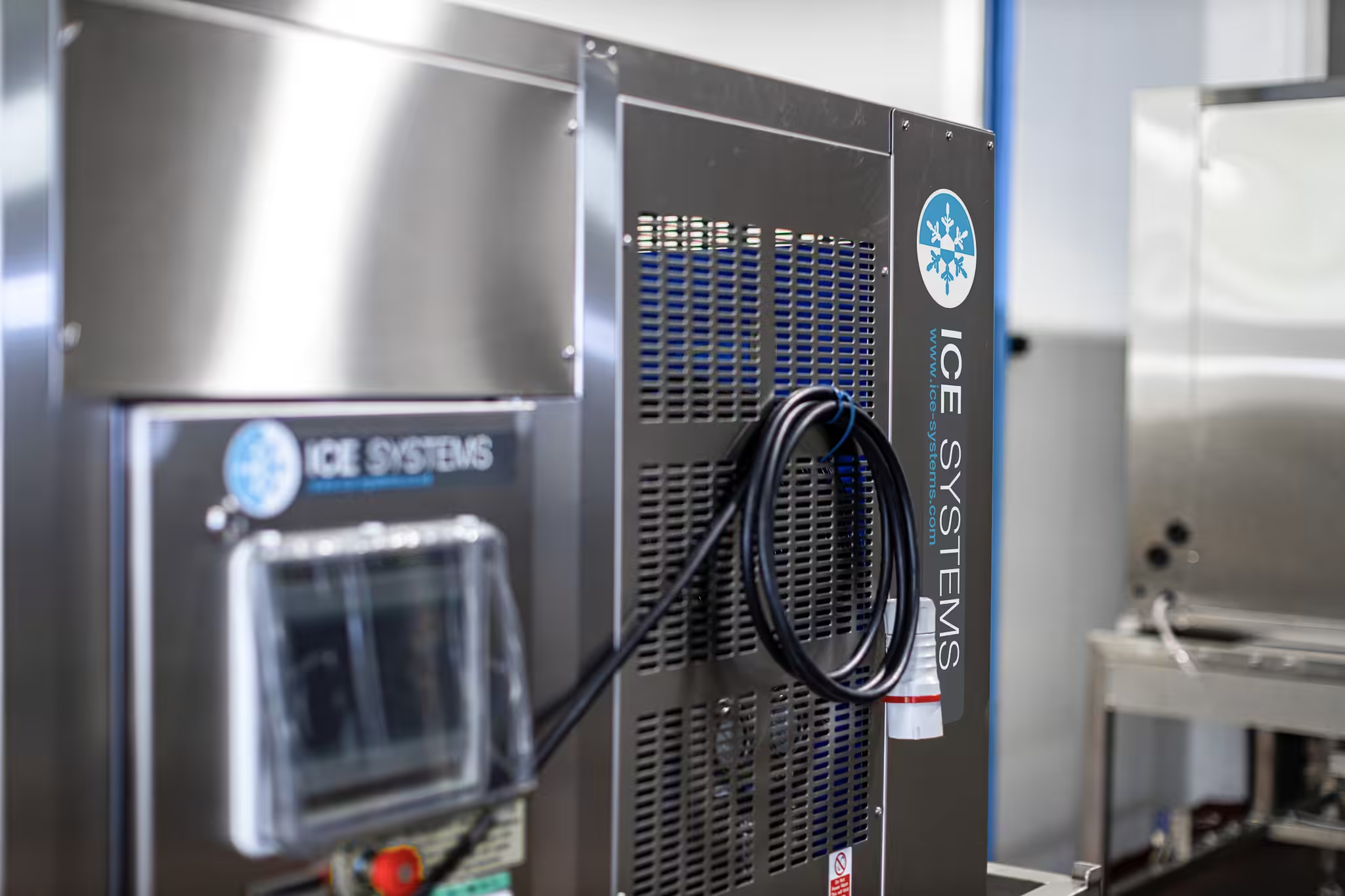
Relying on bagged ice introduces an external dependency that many businesses underestimate. Supply chains are not always predictable, particularly during peak periods or adverse weather conditions. Delays, shortages, or inconsistent product quality can directly impact service delivery.
An on-site commercial ice machine removes this dependency entirely. Production becomes aligned with demand, ice is available immediately, and quality is consistent. This is particularly important in environments where ice is not a convenience but an essential part of the product or service offering. In these cases, outsourcing supply effectively introduces a controllable risk into the operation.
The labor element is often overlooked when comparing bagged ice vs ice machine models. On paper, bagged ice can appear straightforward, but in practice it introduces a series of ongoing tasks. Staff are required to place orders, receive deliveries, transport bags internally, and manage freezer storage. There is also an element of waste, both from damaged bags and partial melting during handling.
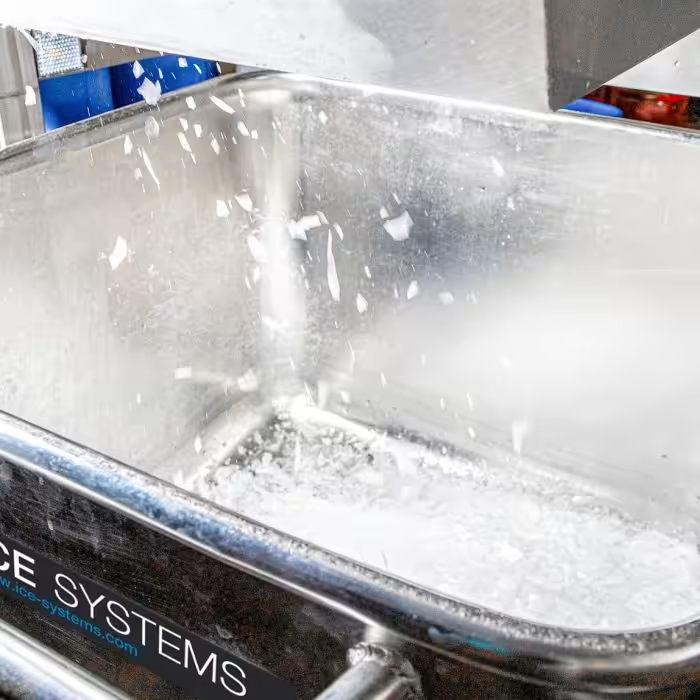
By contrast, a commercial ice machine significantly reduces manual intervention once installed. Ice is produced, stored, and accessed on-site with minimal handling. Storage requirements are more efficient, and waste is reduced. Over time, these operational efficiencies compound, often making a larger financial impact than the difference in ice pricing alone.
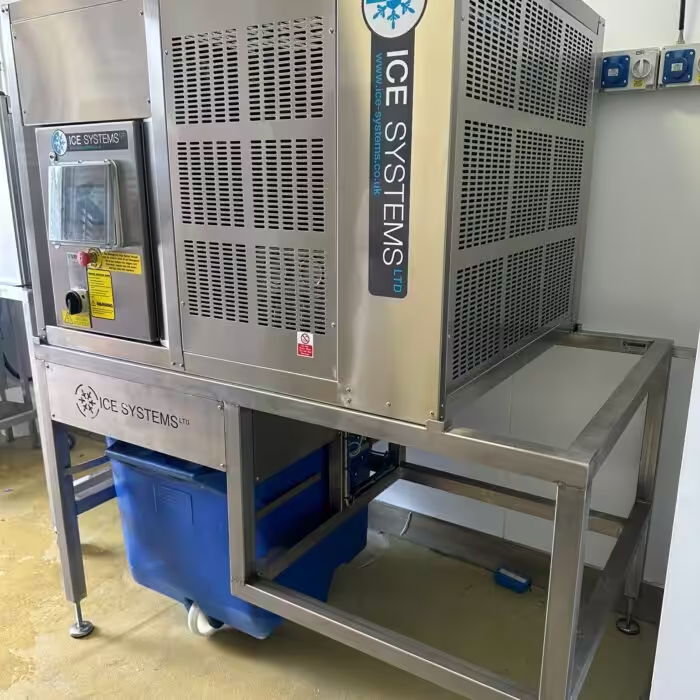
Not every business needs to purchase equipment outright. Commercial ice machine rental provides a viable route for those with uncertain or evolving demand, allowing access to the benefits of on-site production without immediate capital expenditure.
For short-term needs or project-based usage, rental is often the most appropriate option. It offers flexibility and avoids long-term commitment. However, for businesses with stable and predictable demand, ownership typically delivers better value over time.
When assessing commercial ice machine cost, it is important to consider the full picture. Purchase price is only one element; maintenance, energy consumption, and lifespan all contribute to the overall investment.
An ice machine is more than just a convenience, it’s an investment in efficiency, consistency and customer experience. At Ice Systems, we help businesses across the USA find commercial ice machines that are built for reliability, performance and long-term value.
One of the biggest advantages of owning an ice machine is the long-term savings. Buying bagged ice might seem simple at first, but the costs quickly add up when you factor in deliveries, storage space, labor and waste. Having your own machine, means you can produce ice on-site for a fraction of the ongoing cost, helping improve margins and reduce operational headaches. For high-volume businesses, the return on investment can be significant.
When you choose Ice Systems, you’re not just buying equipment, you’re partnering with specialists who understand commercial ice production. We combine quality machines, expert advice, and ongoing support to help businesses stay efficient, prepared and profitable all year round.
The decision between bagged ice and a commercial ice machine ultimately comes down to demand, reliability, and long-term operational efficiency. While bagged ice can suit occasional or lower-volume requirements, businesses with consistent or growing demand often benefit significantly from investing in an on-site ice machine. A commercial ice machine provides greater control over supply, improved consistency, reduced reliance on third-party deliveries, and stronger long-term cost efficiency. For many commercial environments, particularly those where ice is used daily, on-site production becomes a more practical and scalable solution.
Frequently Asked Questions
How do I calculate my daily ice usage?
The most reliable method is to track purchases over several weeks and calculate a daily average, ensuring peak usage periods are included.
What industries would benefit from ice machines?
Industries that handle temperature-sensitive products or high-volume operations benefit the most from commercial ice machines. Key industries include bakeries and food manufacturing facilities, as well as meat and poultry processing plants where ice helps maintain food safety standards during preparation, storage and transport.
Is buying a commercial ice machine better than rental?
Buying an ice machine is ideal for businesses with all year-round ice demand. Whereas, renting a commercial ice machine is better suited for seasonal operations or those that value flexibility and predictable monthly costs.
How often do I need to change the water filter?
Changing your water filter helps to maintain ice quality and prevents limescale from building up. Between your routine services, we recommend replacing water filters every 3 months. A member of our team will contact you when your filter change is due.

Products
Ice Systems Offers a Range of Industrial Flake and Chip Ice Machines
Aftersales
Industry Leading Service, Support, Installation and Training