It seems like you’re visiting from a different country. Click the button below to visit the website in your area.









Bakeries
Consistent dough temperature is an important part of repeatable industrial bakery production. Changes in ingredient temperature, room conditions, mixing time and production speed can all affect the temperature of the finished mix.
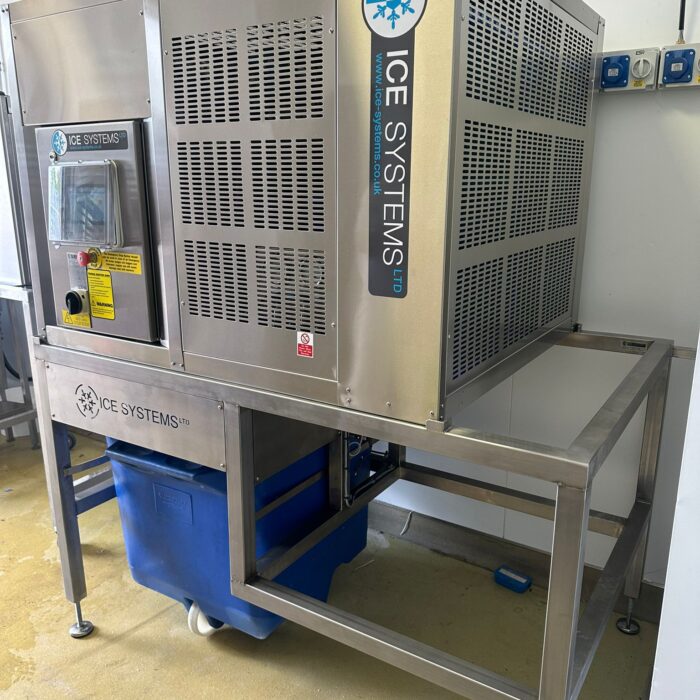
Ice Systems supplies industrial flake ice machines for bread, pastry, pie and other high-volume bakery operations. Our machines produce sub-cooled flake ice at approximately -7°C, with capacities from 600kg to 9,000kg per 24 running hours.
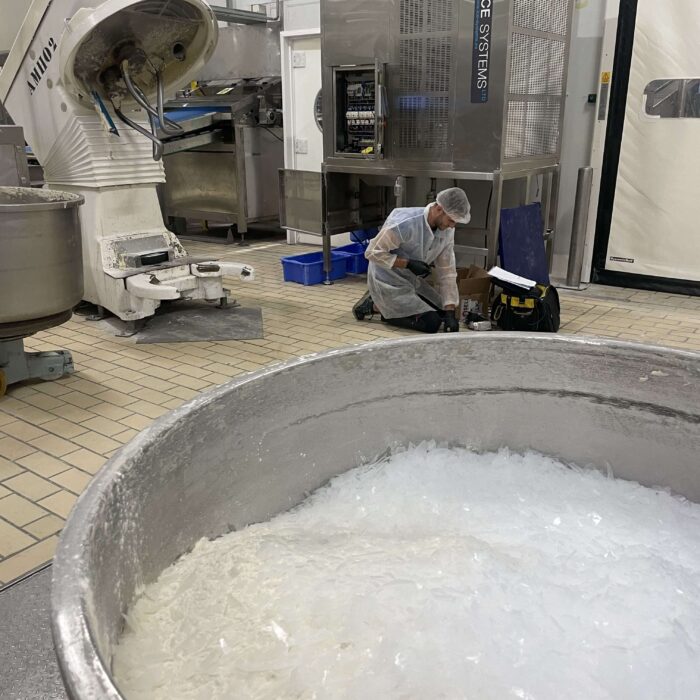
Where the recipe and production process allow, flake ice can replace a controlled proportion of the water added to the mixer. Once the ice melts, it forms part of the recipe water, allowing the bakery to reduce the mix temperature without changing the intended hydration.
Flake ice machines are designed for continuous operation. They produce ice while there is demand and sufficient storage capacity. Once the storage bin is full, the machine pauses automatically and restarts when the ice level drops.
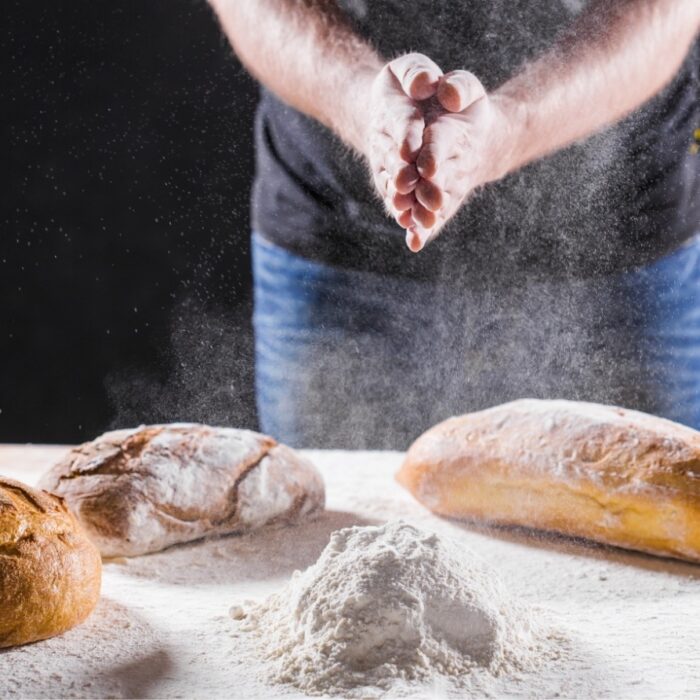


Maintains ideal dough temperatures, preventing premature yeast activation and ensuring consistent fermentation.
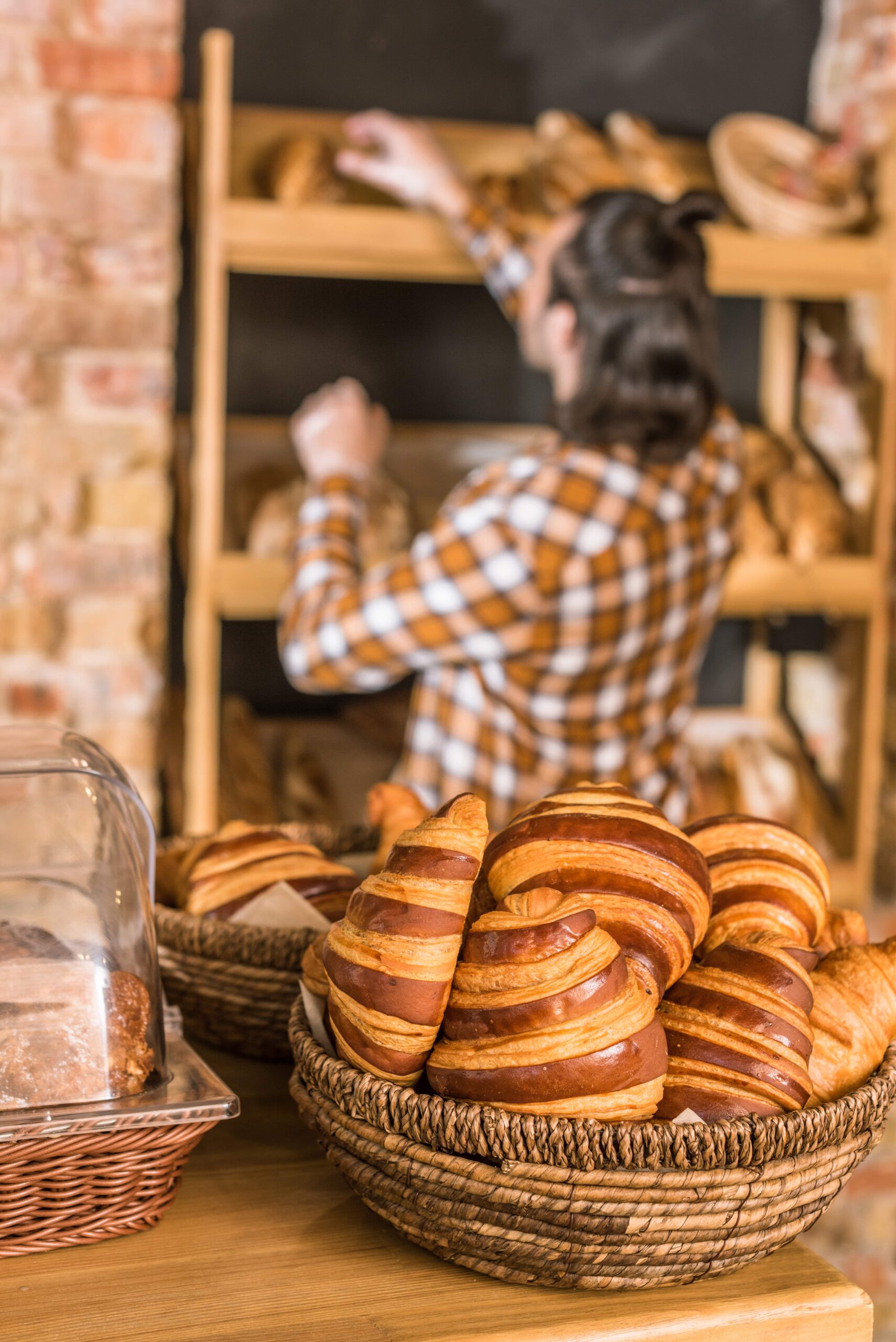

Contributes to consistent texture, moisture, and crumb structure in baked goods.


Helps keep doughs and batters hydrated, reducing the risk of drying out during processing.
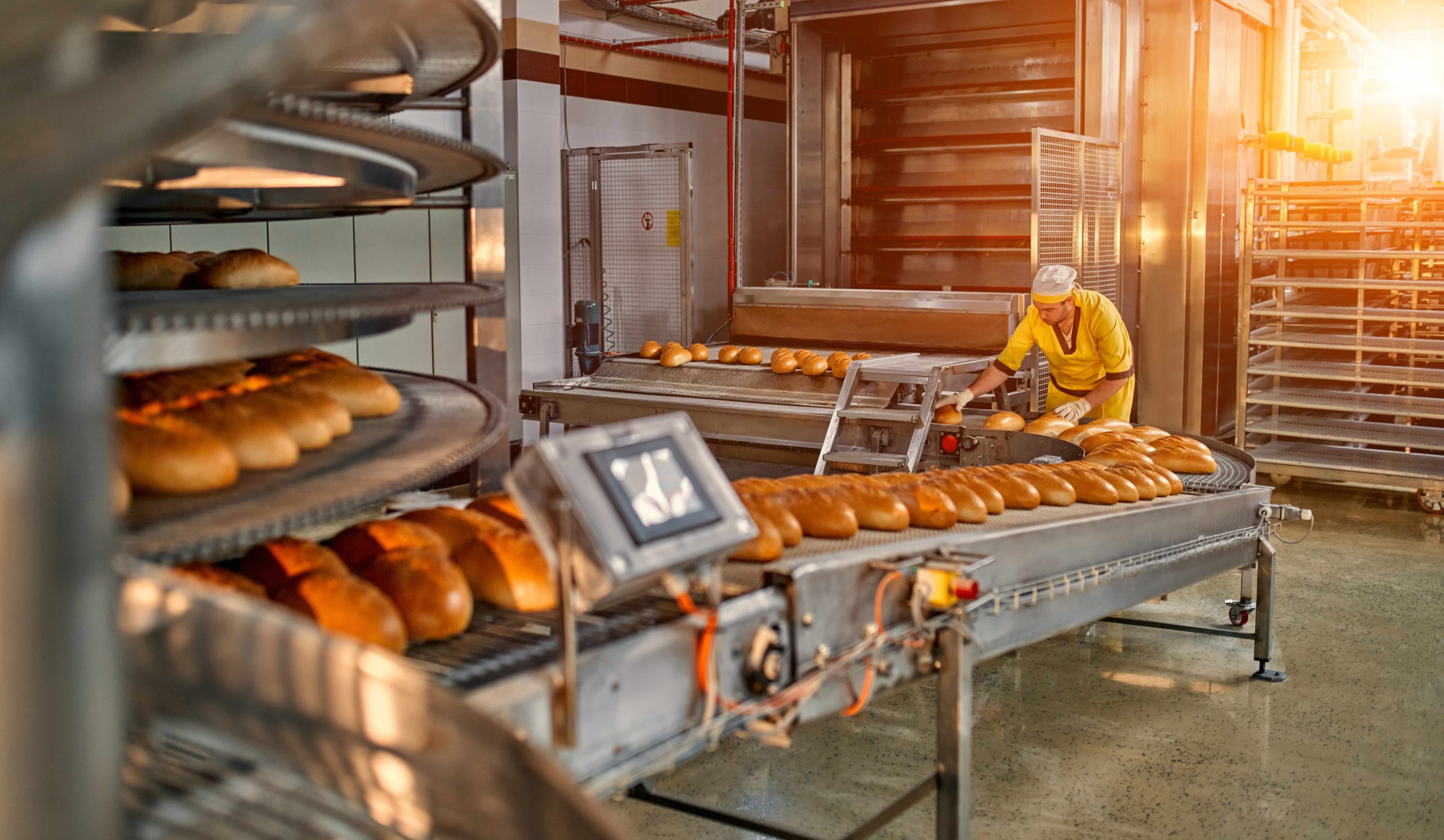
The thin structure of flake ice allows it to distribute through a dough or mix and release its cooling energy quickly.
For an industrial bakery, this can support:
More consistent final dough temperatures.
Better control during warm weather.
Repeatable fermentation timings.
More stable dough handling between batches.
Controlled cooling without altering the intended recipe-water quantity.
Reduced dependence on delivered or manually prepared ice.
Reliable ice availability throughout extended production shifts.
Research into bakery processing confirms that controlling flour, water and ambient temperatures helps control final dough temperature. Final mixing temperature can also influence dough structure and finished bread quality, particularly in temperature-sensitive processes.
Flake ice is particularly relevant where chilled water alone cannot deliver the required cooling effect or where the bakery needs greater control during seasonal temperature changes.
Industrial bakeries rarely operate under completely stable conditions. Production speeds, ingredient temperatures and environmental conditions can change throughout the day.
Heat Generated During Mixing
Mixing introduces mechanical energy into the dough. Longer mixing times, higher mixer speeds and large batches can cause the final mix temperature to rise. Where the temperature moves above the bakery’s target, the dough may become more difficult to handle and fermentation may begin sooner than planned.
Changing Ingredient Temperatures
Flour, water, fats and other ingredients may enter the process at different temperatures depending on storage conditions and the time of year. A recipe that reaches the correct final temperature in winter may produce a warmer mix during summer unless the cooling input is adjusted.
Fermentation Consistency
Yeast activity is temperature-sensitive. Variation in final dough temperature can therefore affect fermentation speed, proofing schedules and the consistency of successive batches. Flake ice provides an additional way to control the initial mix temperature before fermentation begins.
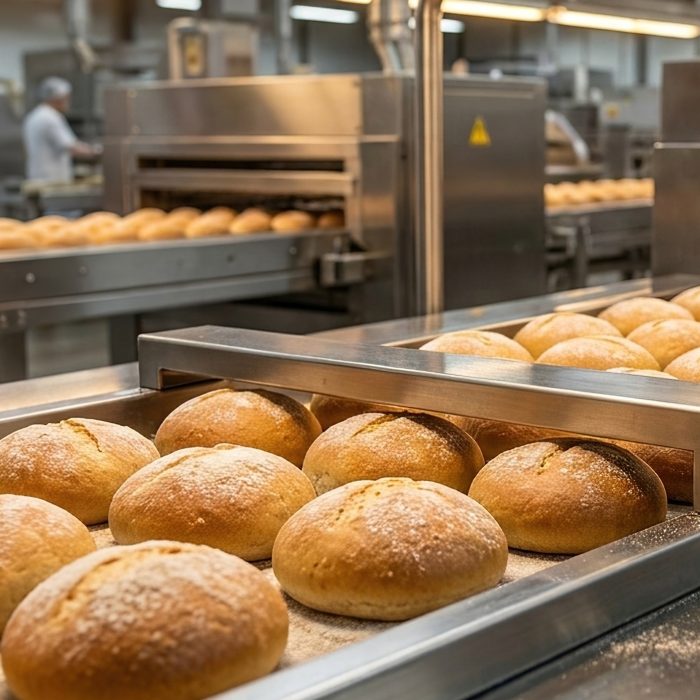
Pastry production may require lower and more repeatable mix temperatures to protect product handling characteristics. For some processes, excessive warmth can contribute to softening, sticking, fat movement or cracking later in production. The appropriate target temperature will depend on the formulation and the bakery’s validated process. A bakery may have enough total daily ice capacity but still experience shortages during a short peak. This can happen when:
- Several mixers begin batches at the same time.
- Bread and pastry lines operate simultaneously.
- Production increases during a particular shift.
- Ice storage has not recovered before the next run.
- Seasonal demand exceeds the original system design.
The machine, storage bin and delivery arrangement should therefore be sized around peak hourly demand as well as total daily consumption.
Reliability During Continuous Production
A shortage of ice can delay mixing, change the final dough temperature or force the bakery to use an alternative cooling method. Where ice is critical to the recipe, relying on several smaller commercial machines may introduce unnecessary operational risk. A correctly sized industrial machine can provide a central and more manageable source of ice for the production area.
Flake ice can be included as a controlled part of the recipe water to help achieve the required final dough temperature. This can be particularly useful where:
- Mixing creates a significant temperature rise.
- Production runs continue for several hours.
- Flour and room temperatures increase during summer.
- Consistent fermentation timing is required.
- Multiple batches must perform in the same way across different shifts.
The ice quantity should be established by the bakery’s technical or production team and included within the approved recipe.
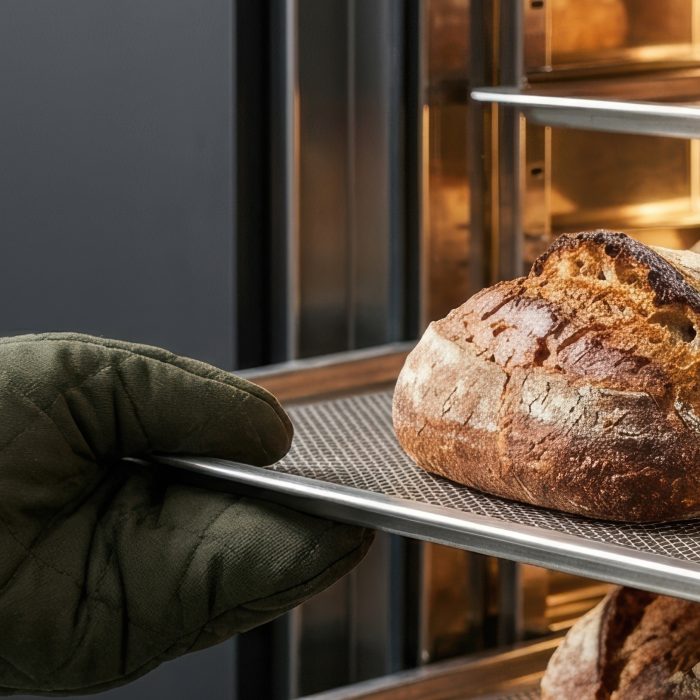
Flake ice may also be considered for sweet doughs, filled products and other prepared bakery mixes where production temperature affects handling or process consistency. The suitability of ice should always be confirmed against:
- The approved recipe.
- The required water content.
- Mixer capacity.
- Ingredient temperature.
- Target final mix temperature.
- Fermentation or resting requirements.
- Subsequent forming and processing stages.
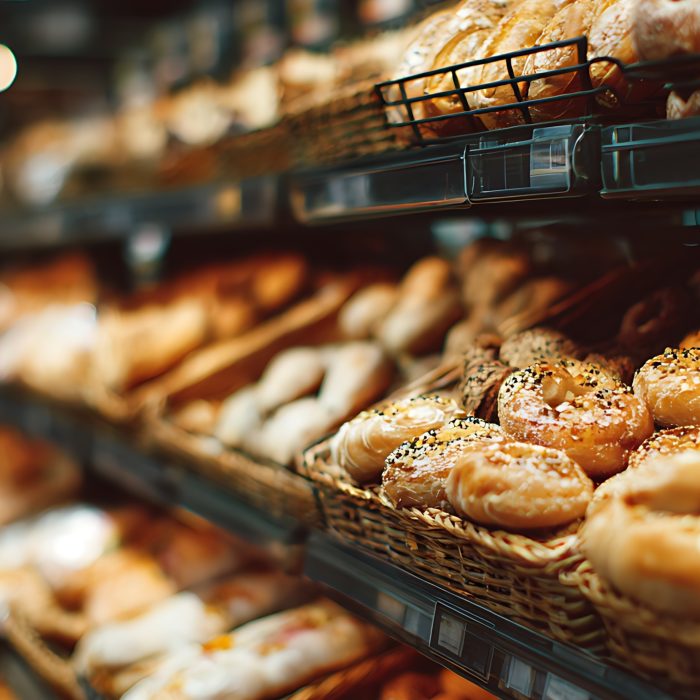
Larger bakeries may require ice at several mixers or production lines. In these environments, the system may use:
- Central ice storage.
- Local storage beside individual mixers.
- Mobile Tote or Dolav containers.
- Manual ice transfer.
- Conveying or distribution equipment.
- Separate demand controls for different areas.
The most appropriate design depends on how much ice each line requires and whether demand occurs simultaneously.
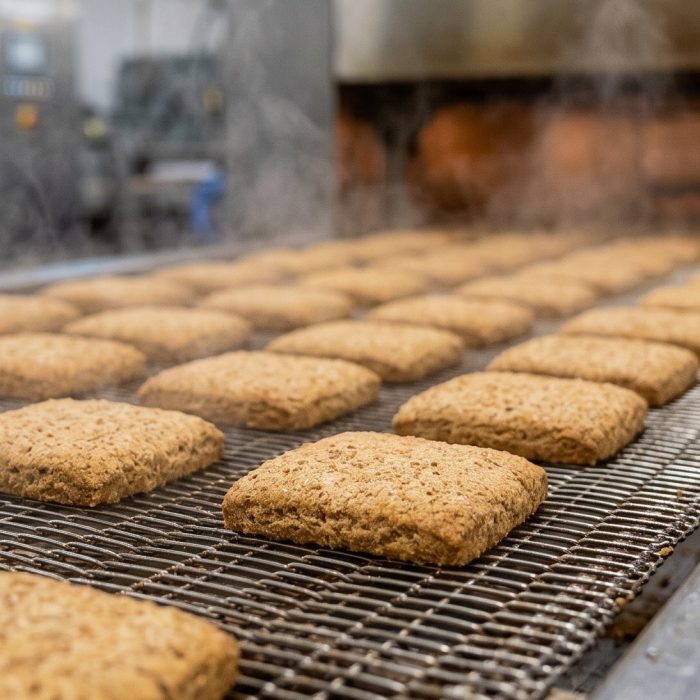
The correct machine size should be calculated from actual recipe and production information. A bakery producing 20 tonnes of bread per day does not automatically require a particular tonnage of ice. Ice demand depends on the amount used in each recipe, batch frequency, ingredient temperatures and the number of production lines operating at the same time.
|
Ice Production Capacity |
Suggested Operations |
| 600-1,500kg per 24 running hours | A single principal mixer, lower-volume industrial production, intermittent bread or pastry runs |
| 2,000-3,000kg per 24 running hours | Regular multi-batch production, extended shifts or a limited number of mixers with managed demand |
| 5,000-9,000kg per 24 running hours | High-throughput factories, multiple production lines or centralised ice storage and distribution |
| Multiple-machine system | Large sites requiring standby capacity, separate departments or very high peak demand |
Selecting the right machine is only one part of creating a reliable bakery ice system. Ice Systems supports each project from the initial planning stage through to installation, commissioning and operator handover. This can include reviewing recipe requirements and production schedules, calculating peak hourly and daily ice demand, assessing mixer locations and available floor space, and confirming the necessary water, electrical, drainage and ventilation services.
Our engineers can also help select suitable ice storage and level controls, integrate the machine with existing production arrangements, and complete the installation and setup. During commissioning, the system is tested to confirm correct ice production, automatic start and stop operation, and the full-bin control sequence. Operators are then shown how to use the equipment, replace filters and carry out basic checks before the system is handed over. Ongoing servicing and technical support are also available to help maintain reliable performance throughout the machine’s working life.
In one recent example, Ice Systems installed an industrial flake ice machine at Brook Bakery in Sheffield, replacing several smaller commercial units that had frequently failed and disrupted production. An initial F1AR machine was supplied on a four-week trial, after which the bakery moved to a larger F2AR model for increased capacity and year-round use, with the installation completed with minimal disruption to the factory.
Read the full Sheffield installation case study.
Frequently Asked Questions
Why do industrial bakeries add flake ice to dough?
Flake ice can be included as part of the recipe water to help reduce and control the final dough temperature. Its thin structure allows it to distribute through the mix and release its cooling energy quickly.
How much flake ice does a bakery need?
The required amount depends on the ice used per batch, the number of batches produced each hour, the number of mixers operating simultaneously and available storage. Capacity should be based on the bakery’s peak demand rather than average daily use alone.
Can one flake ice machine supply several bakery mixers?
Yes. One machine can supply central storage or a distribution arrangement serving several mixers. The system must be sized around the combined demand when the mixers operate at the same time.
Can flake ice help with pastry production?
Flake ice can help control pastry mix temperature where a colder and more repeatable process is required. The exact effect will depend on the recipe, ingredient temperatures, fat system and subsequent production stages.
Can a bakery rent an industrial flake ice machine?
Yes. Rental can be suitable for seasonal demand, temporary production increases, equipment trials or interim cover. Purchasing may be more appropriate for stable, long-term requirements.

Products
Ice Systems Offers a Range of Industrial Flake and Chip Ice Machines
Aftersales
Industry Leading Service, Support, Installation and Training

Make An Enquiry
Call 01472 267524 for more information or complete the form below: