It seems like you’re visiting from a different country. Click the button below to visit the website in your area.









Seafood Industry
Ice demand in seafood operations depends on processing volumes, product handling and how quickly goods move through the factory. Maintaining the right temperature is essential throughout processing, storage and dispatch to keep products fresh and meet food safety standards.
Typical capacity guidance:
- Mid-sized processors and wholesalers: ~2 to 8 tonnes per day
- Large-scale seafood processors / import-export facilities: 10+ tonnes per day, often requiring continuous production systems
Species also influence demand. For example, prawns and shellfish often require heavier ice coverage due to faster spoilage rates, while whole fish may require consistent bed layering during storage and transport.
Interested? Ask for one of our experienced Sales Engineers to visit your site to discuss. No charge site surveys are available.
Our engineer says…
“During Isaac’s servicing trip in Scotland he visited one of our long term customers to complete a Free of Charge health check. Isaac discovered that although the customer mainly uses ice to keep the fish fresh during transportation, they also use ice when storing product. The customer said they do this to prevent the need to freeze the fish as this can affect the quality. He also likes the fact that they can store sub-cooled flake ice within his freezer, ready for promotion or the occasional UK heatwave!”
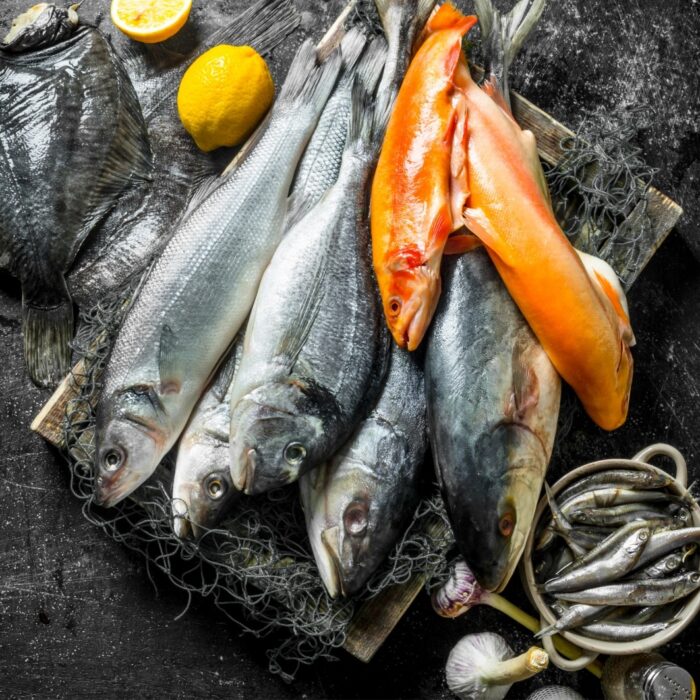
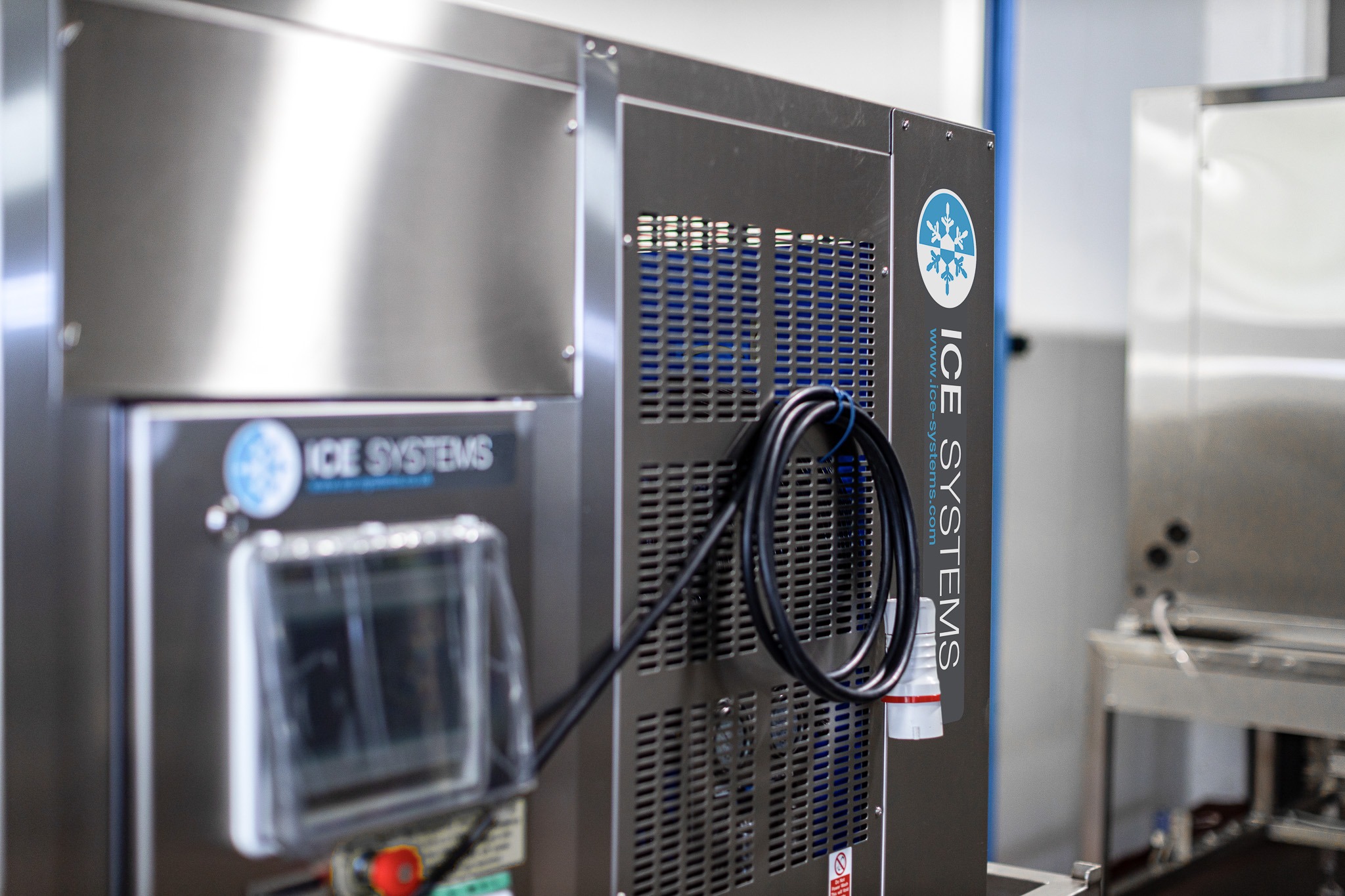
Seafood is one of the most temperature-sensitive food categories. The margin for error is narrow, and operational inefficiencies can quickly translate into financial loss. Key challenges include rapid spoilage rates, which is when fish and shellfish begin to degrade immediately without adequate cooling. During unloading, grading and packing stages, you may see temperature fluctuations which can also become an issue if it is left for too long. The structure of flake ice allows it to pack tightly around irregular shapes such as whole fish or prawns, improving heat exchange and preserving freshness.
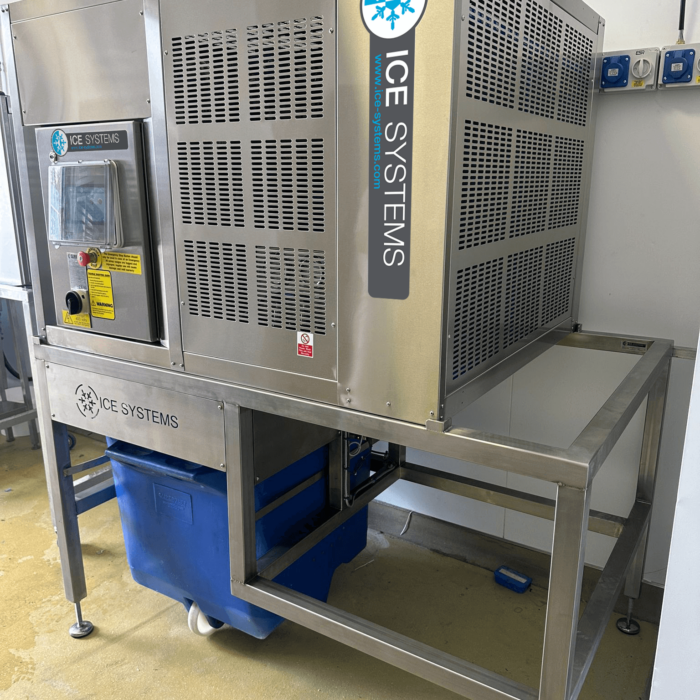
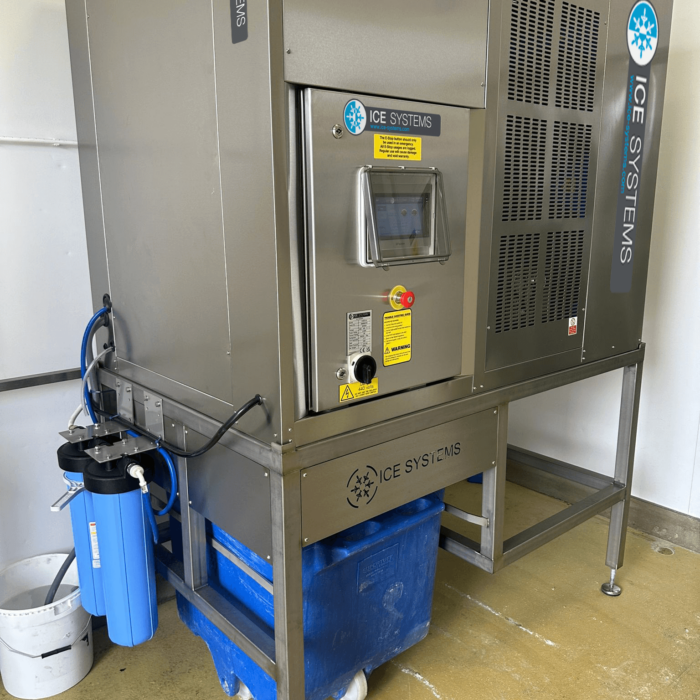
Choosing an ice making machine for fish from Ice Systems, is typically embedded directly into operational workflows to minimise handling time and maintain temperature integrity.
Common installation approaches include:
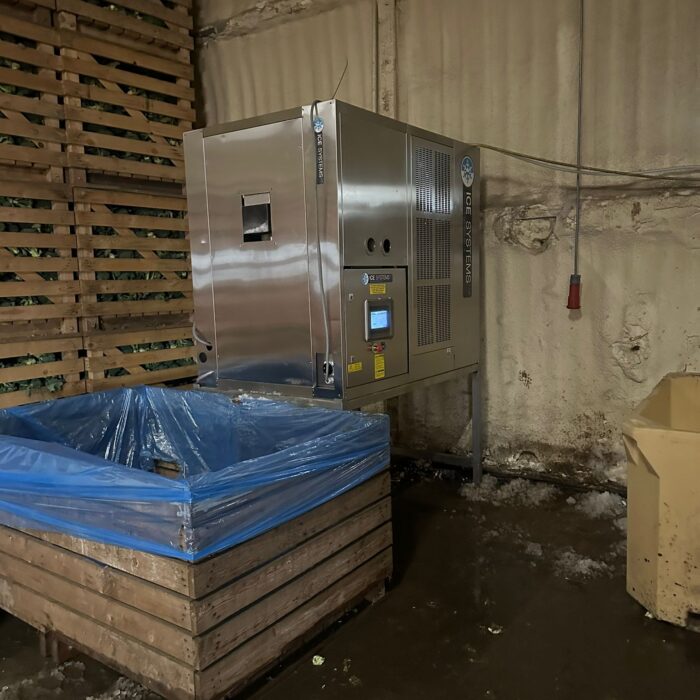
- Processing line positioning: Ice dispensed directly onto conveyor systems during grading, filleting, or packing
- Cold storage integration: Systems installed within chilled rooms to maintain ambient temperature and reduce melt rates
- Centralised distribution systems: High-capacity machines feeding multiple stations via conveyors or blow systems
A flake ice machine for fish is designed to reduce manual handling, improve hygiene, and ensure ice is applied at the exact point it is needed.
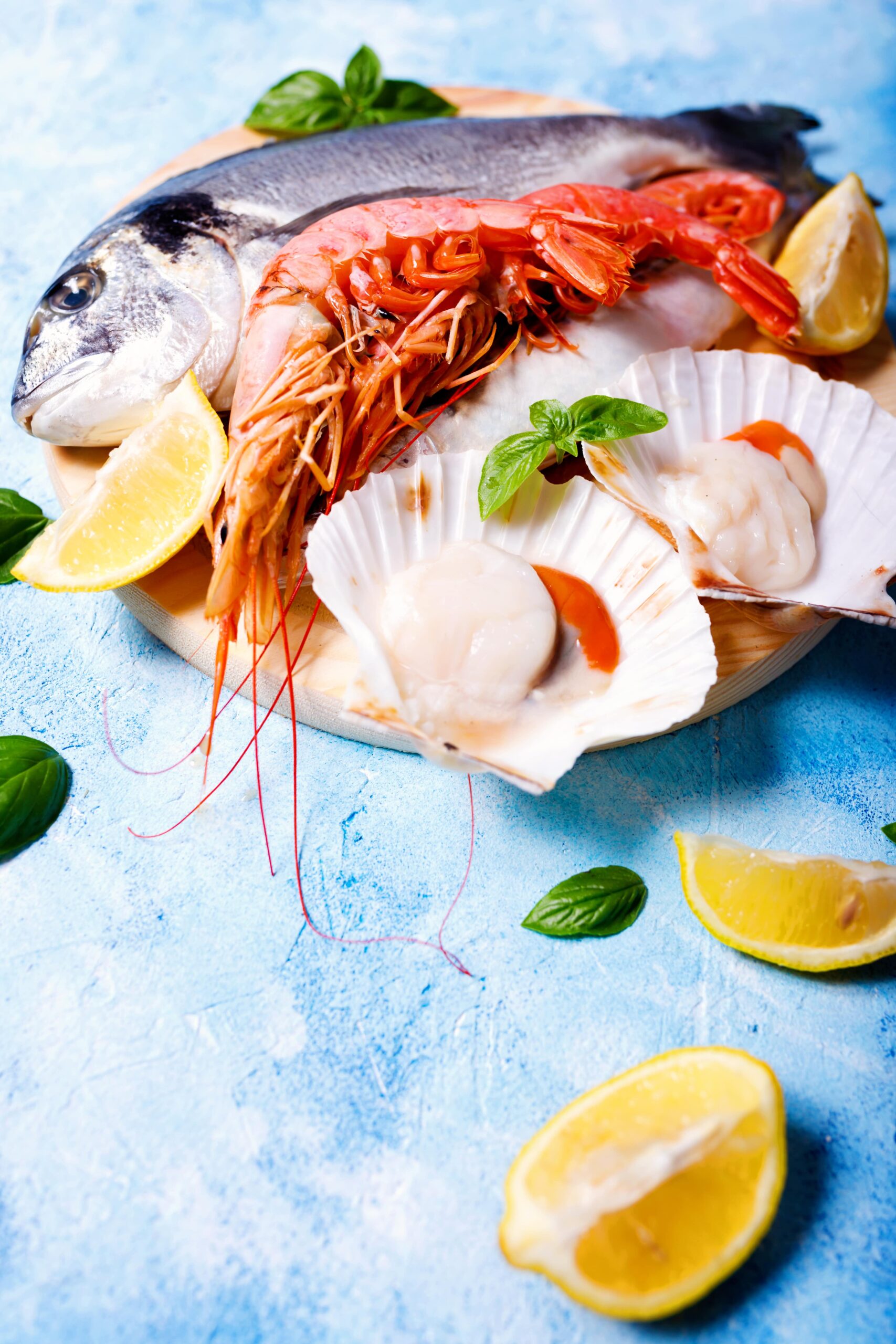

Maintains optimal temperatures for seafood, which prevents spoilage and ensures freshness during processing.
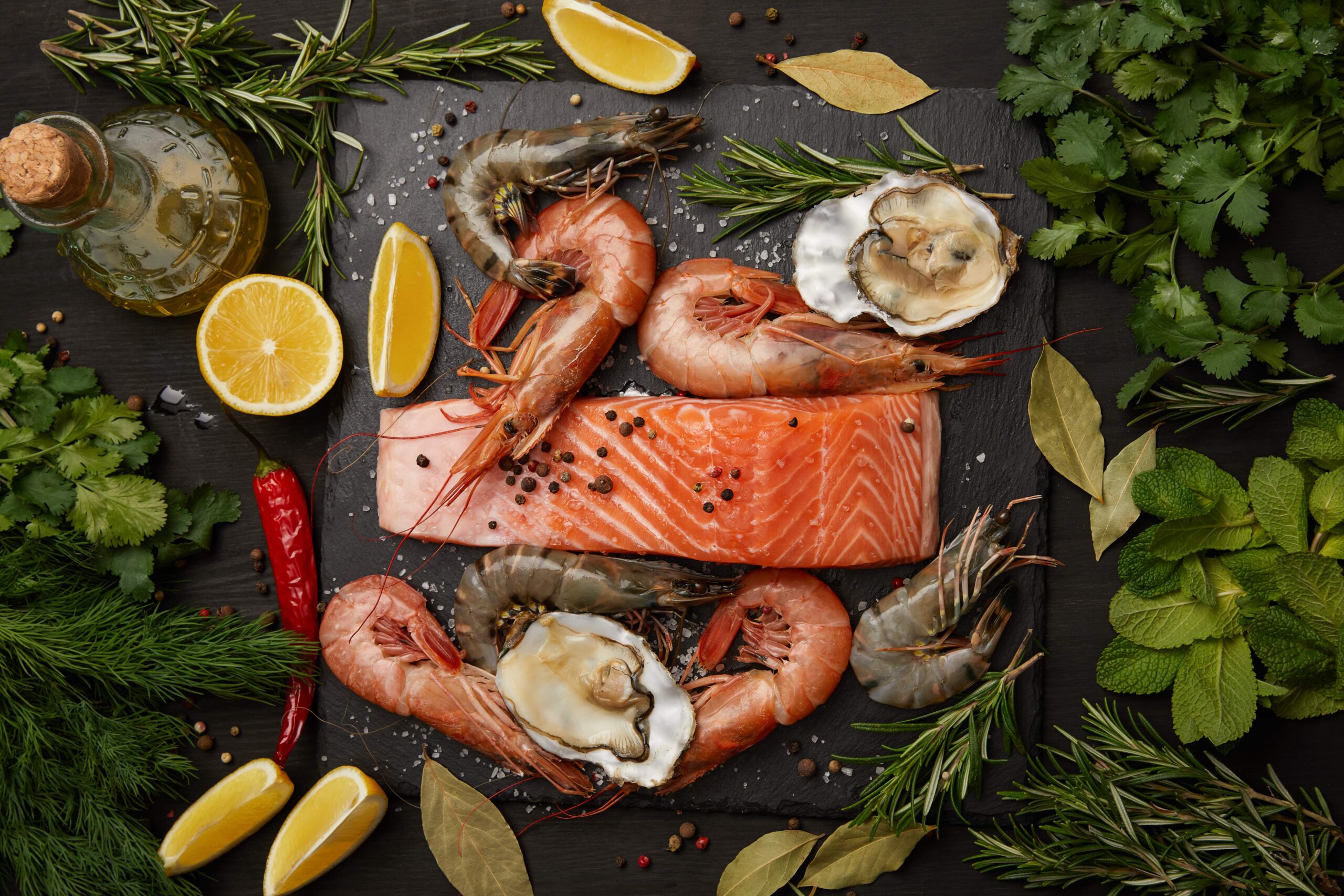

Helps achieve consistent texture, flavour, and appearance in seafood products.
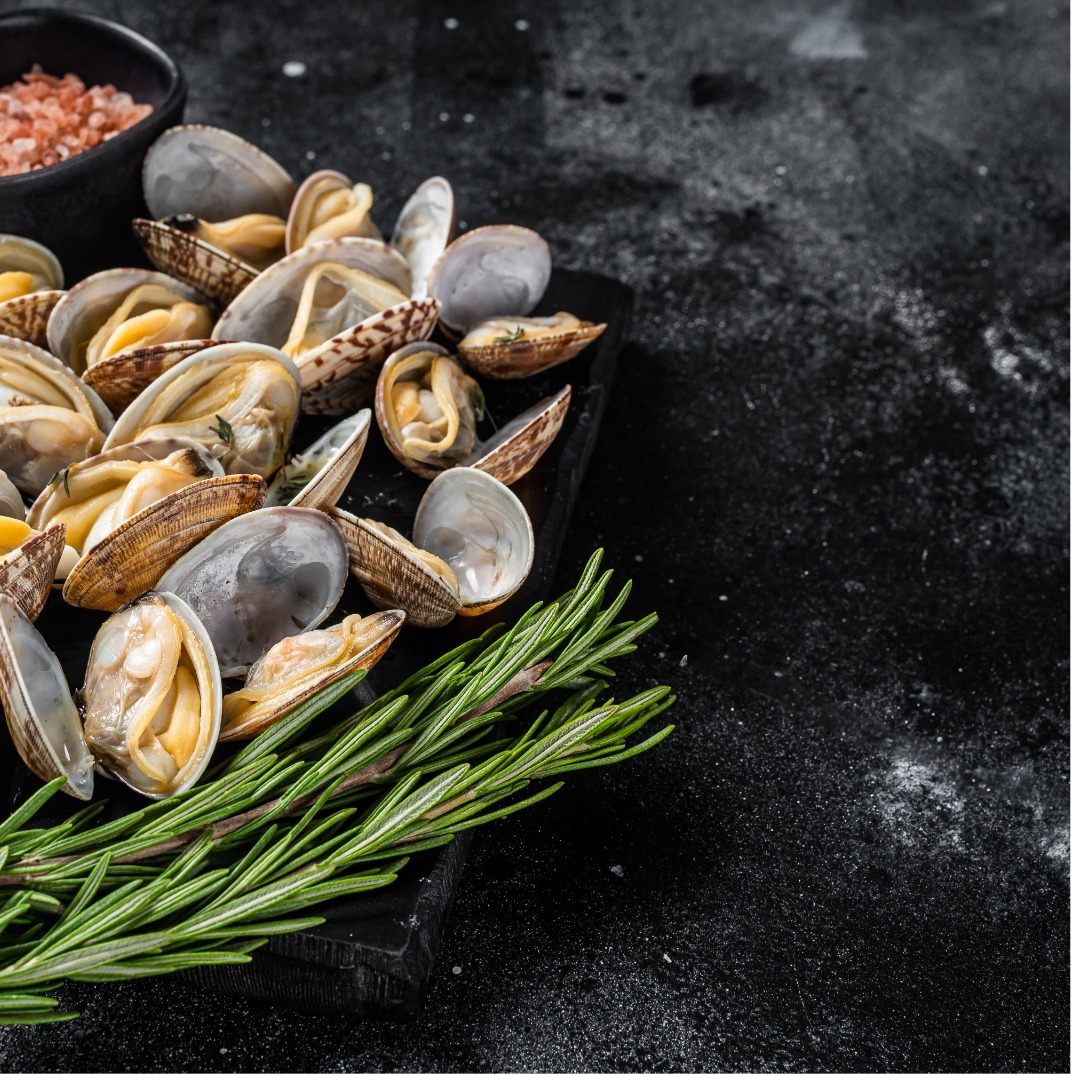

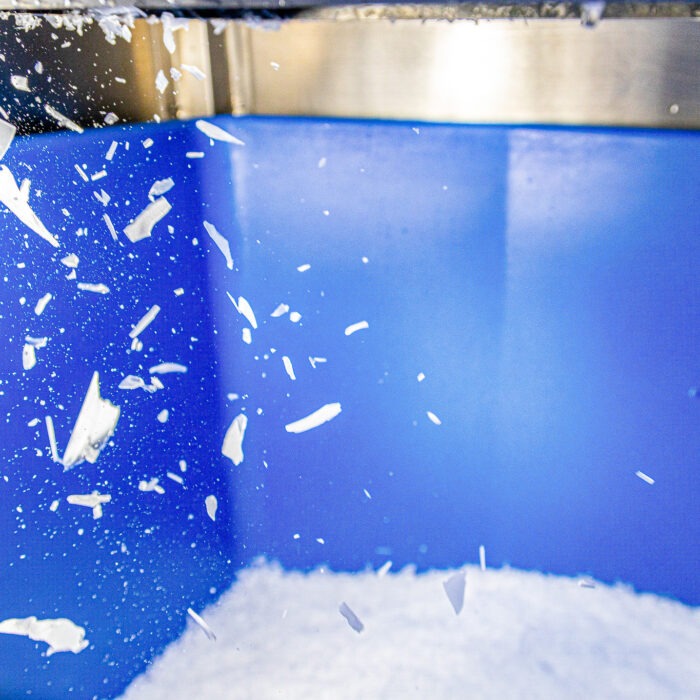
Sub-cooled Flake Ice is a colder, gentler alternative to water and chip ice, protecting equipment whilst effectively managing heat in processes like fish filleting.
Flake ice is sub-cooled when produced at -7°C, is dry to the touch, allowing each flake to remain separate without clumping.
Flake ice can be stored at low temperatures without clumping. Ideal for promotion.
We pride ourselves on industry leading service and support. We are available when needed.
BUY or RENT.
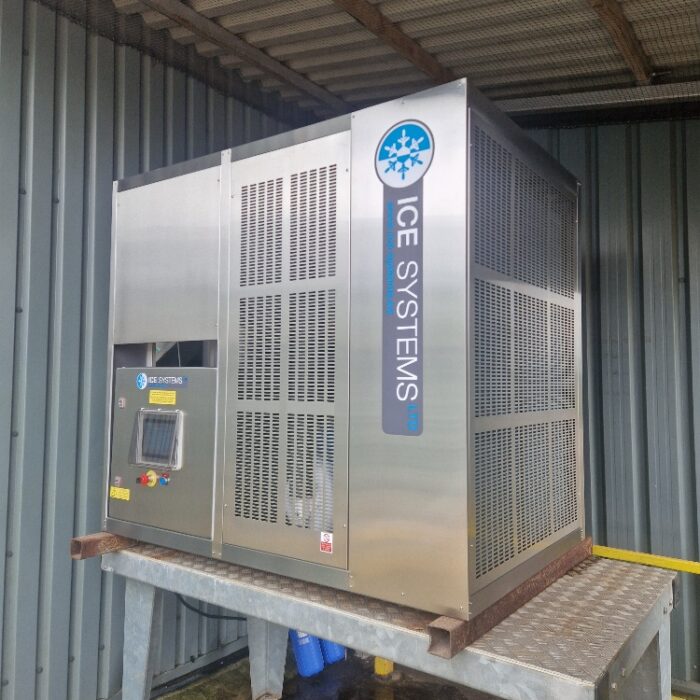
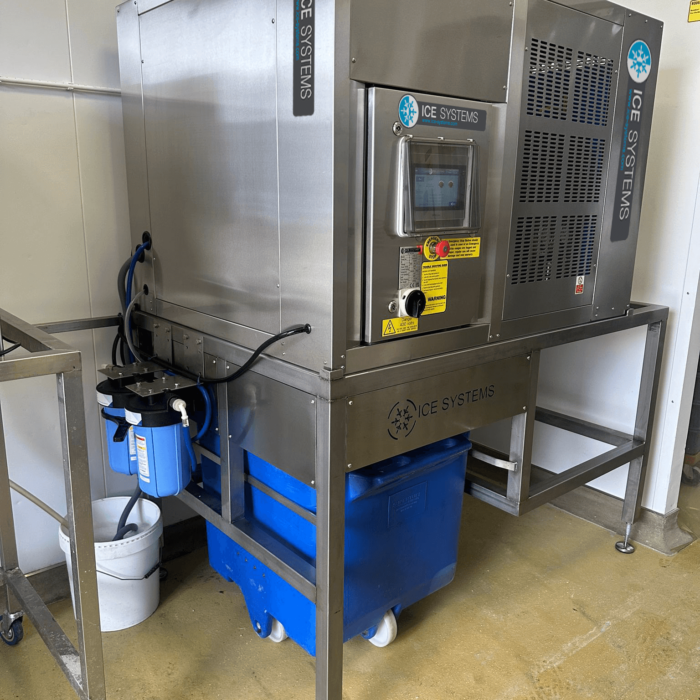
Comprehensive range with capacities between 25kg – 375kg per running hour.
Quick delivery is available. Usually within 48 – 72 hours. References and Testimonials are available.

Frequently Asked Questions
What is the best ice choice for seafood?
Flake ice is the best choice for keeping everything cool in the seafood sector.
How much ice is required for seafood processing?
This depends on volume and species, but a common benchmark is a 1:1 ratio of ice to product weight for effective preservation. High-turnover facilities often require several tonnes per day.
Why is flake ice preferred for seafood?
Flake ice provides excellent surface contact, allowing rapid and uniform cooling. It also maintains product moisture without causing physical damage, which is critical for delicate items like prawns and fillets.
Can flake ice be used for both storage and transport?
Yes. Flake ice is widely used for both applications due to its ability to maintain consistent temperatures and adapt to different container shapes and product types.
What are the risks of inadequate ice coverage?
Insufficient or uneven ice can lead to temperature increases, accelerating bacterial growth, reducing shelf life, and potentially leading to product rejection or waste.
Does ambient temperature affect ice performance?
Yes. Higher ambient temperatures increase melt rates and can reduce overall system efficiency. This is why many seafood facilities integrate ice machines within temperature-controlled environments.

Products
Ice Systems Offers a Range of Industrial Flake and Chip Ice Machines

Aftersales
Industry Leading Service, Support, Installation and Training

Make An Enquiry
Call 01472 267524 for more information or complete the form below: