It seems like you’re visiting from a different country. Click the button below to visit the website in your area.











Meat Processing
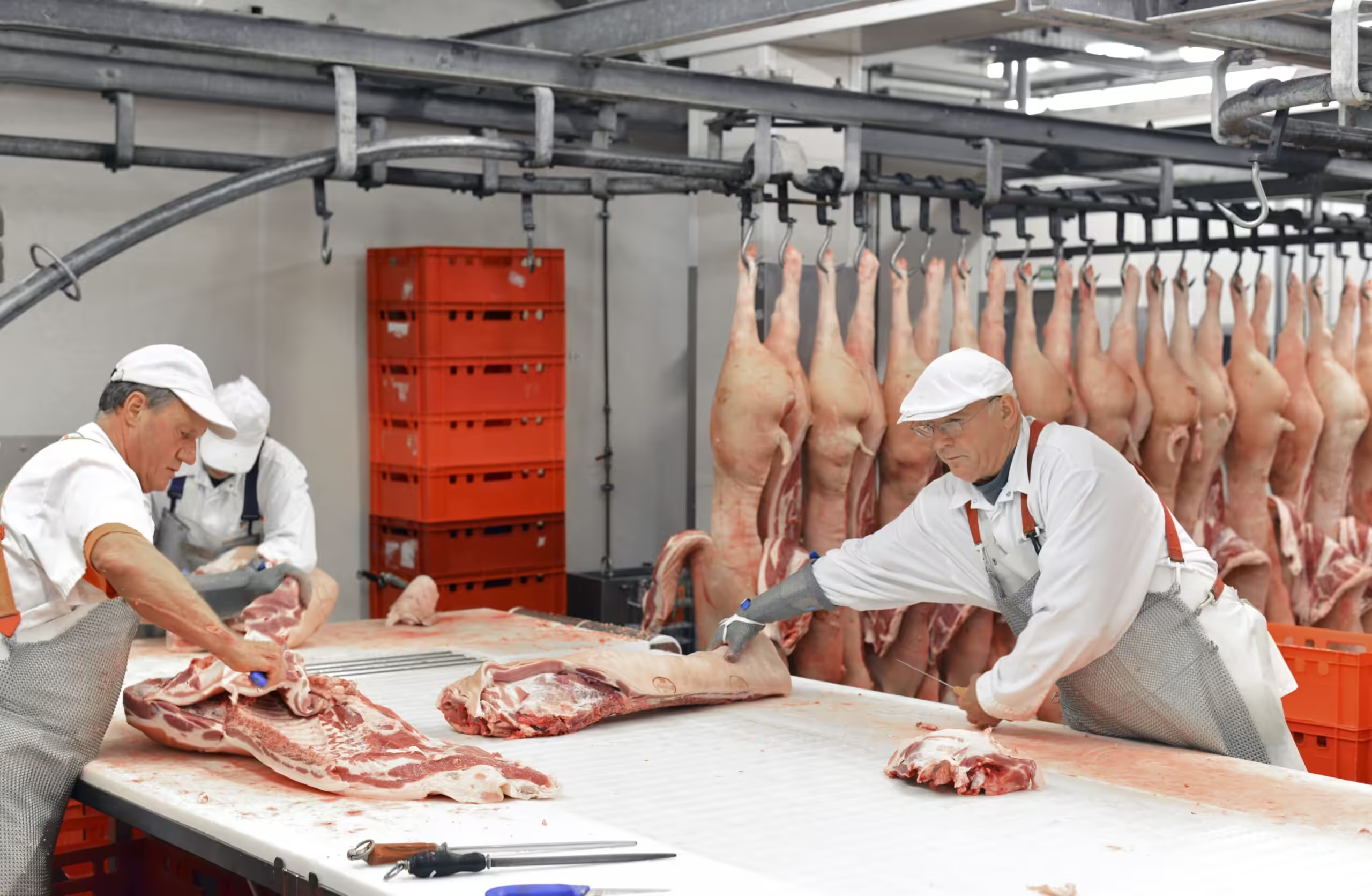
Reliable temperature control is essential throughout meat processing. From offal handling and sausage production to minced meat, prepared products and packing operations, a consistent supply of ice can help processors manage product temperature during demanding production cycles.
Ice Systems supplies industrial flake ice machines producing between 600 kg and 9,000 kg of sub-cooled flake ice per 24 running hours. Machines can be purchased or rented and configured around the production process, available storage and required delivery method.
Flake ice is produced at approximately -7°C. Its thin, dry structure provides a large contact area, allowing it to disperse quickly around products or through a meat mixture.
Flake ice machines are designed for continuous operation. They produce ice while there is demand and storage capacity available. When the storage bin is full, the system pauses automatically and restarts when the ice level drops.
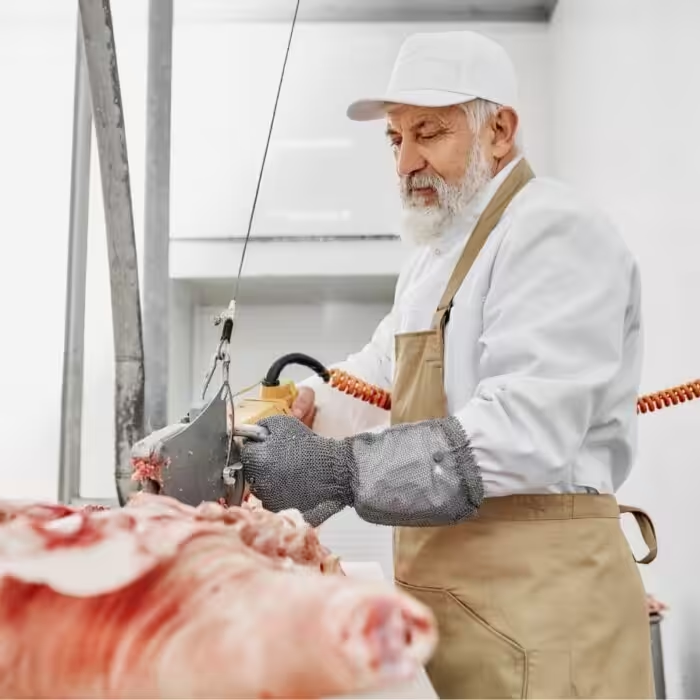
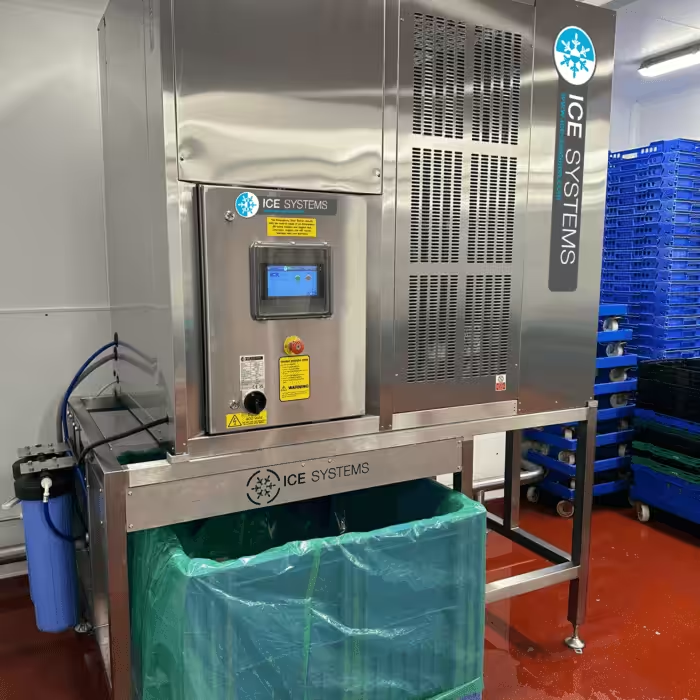
Temperature can change rapidly during meat processing. Raw material temperatures may vary between deliveries, while mincing, mixing and bowl cutting can introduce additional heat into the product.
Demand can also increase suddenly during busy shifts or large production runs. If the available ice supply cannot keep up, the processor may experience:
Inconsistent batch or product temperatures.
Longer processing or cooling times.
Changes in product texture and handling.
Reduced shelf life and increased spoilage risk.
Additional waste, rework or rejected batches.
Production delays while more ice is sourced.
Greater pressure on refrigeration and chilled-storage systems.
UK guidance for meat establishments requires suitable temperature-controlled handling conditions of sufficient capacity, with temperatures monitored and recorded where necessary. Temperature may also be established as a measurable critical limit within a facility’s HACCP plan. An ice system should therefore be specified around the site’s validated process controls rather than treated as a general substitute for refrigeration.
On-site ice production gives the facility direct control over availability. It reduces reliance on packaged ice deliveries and allows production to continue while demand and storage capacity remain available.
Flake ice machines in meat processing are typically integrated into core production workflows rather than treated as standalone units. Common installation approaches include:
- Rental Options: Renting provides flexibility if production demand is likely to fluctuate, seasonally or short-term capacity increases are required. It can also be beneficial for bridging operational gaps if you are waiting for new installations
- Complete Installation: Within our installation process, you will get a site assessment and positioning, integration into existing production lines, commissioning and performance verification, operator training and structured ongoing technical support
- 24/7 Technical Support: FGAS compliance checks and rapid-response on-site engineering whenever required

Offal processing can require rapid cooling after cleaning, sorting or preparation. Flake ice can be applied around intestines, edible offal and other products held in containers to increase surface contact and help maintain the required product condition between processing stages.
In abattoir environments, ice may also be used to cool hides or other by-products before storage or transport. The Ice Systems engineering team has observed this application at a Shropshire abattoir, where ice was preferred to previous salt-dosing methods because it was straightforward to apply immediately after slaughter.
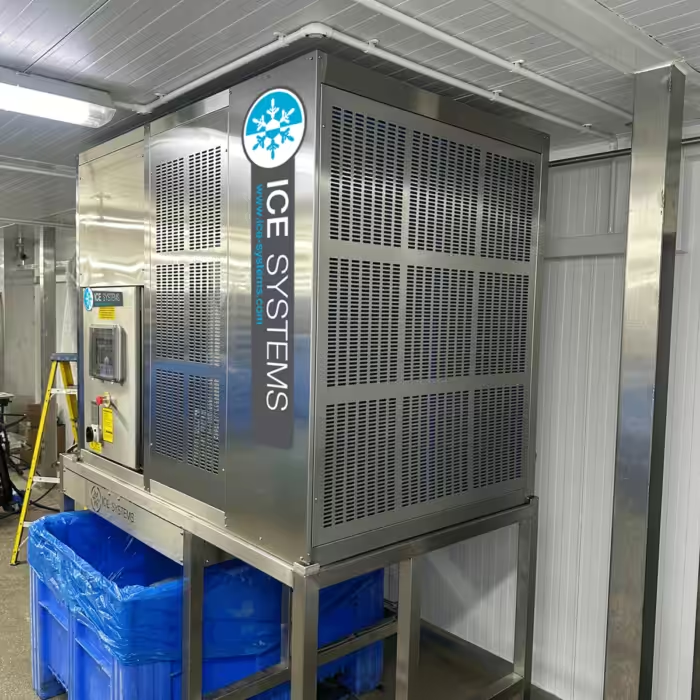
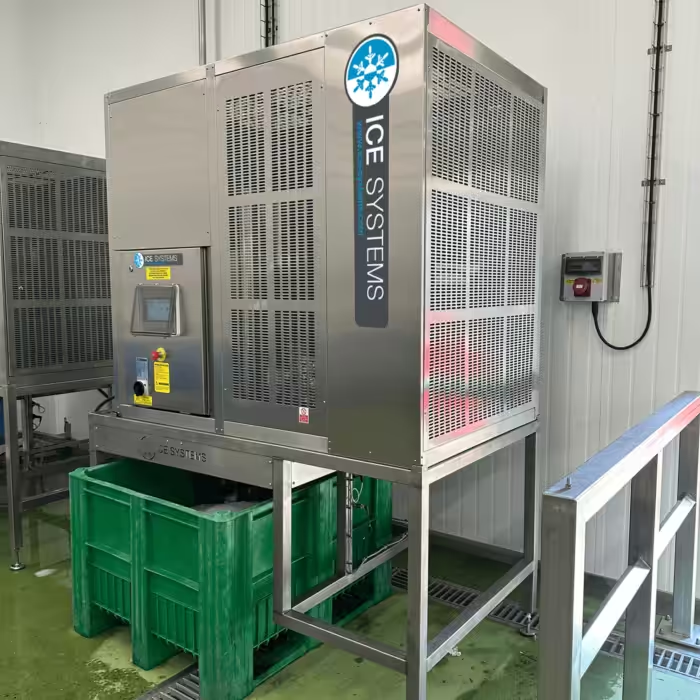
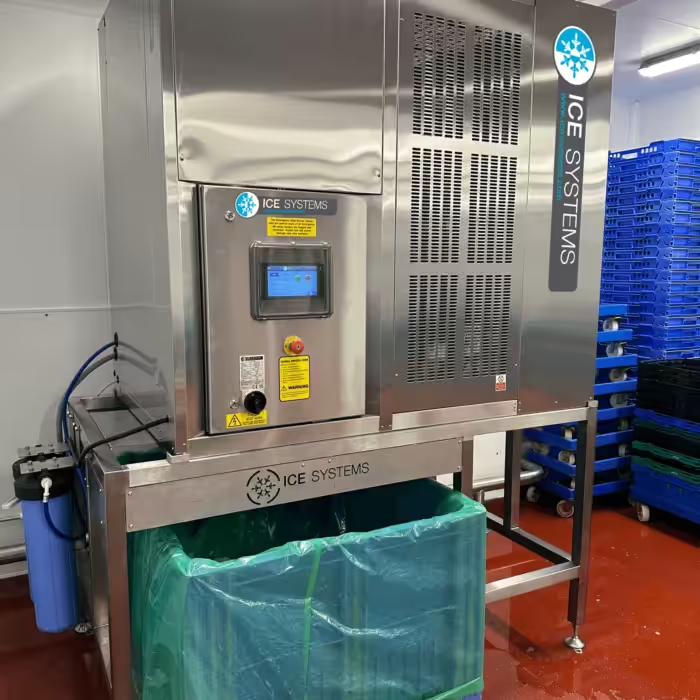
A relevant installation may include:
- An ice machine positioned above a Tote or Dolav container.
- A support frame designed around the customer’s containers.
- Storage-level controls to manage automatic production.
- Easy access for cleaning and container movement.
- A protected discharge point suited to the hygiene requirements of the area.
The required amount of ice will depend on product throughput, holding time, incoming temperature and the facility’s validated cooling procedure.
Bowl cutters and mixing equipment generate heat as meat, fat, seasoning and other ingredients are processed. If this heat is not controlled, the final mixture may exceed the target temperature established for the recipe.
Sub-cooled flake ice can be dosed directly into the bowl cutter as part of the controlled formulation. Its thin structure allows it to distribute through the mixture and release cooling energy quickly.
Ice quantity should be based on:
- Batch size.
- Ingredient temperature.
- Required final mix temperature.
- Bowl-cutter operating time.
- Number of batches per hour.
- The amount of water permitted within the recipe.
Ice Systems commissioned an F2AR flake ice machine at a large sausage producer in Yorkshire. The company had previously purchased packaged ice for its bowl-chopper process. Following a demonstration, a machine producing up to 2,000 kg per 24 running hours was selected for on-site production. The customer estimated monthly savings of approximately £2,000 to £2,500 while also gaining access to freshly produced ice with more consistent handling characteristics.
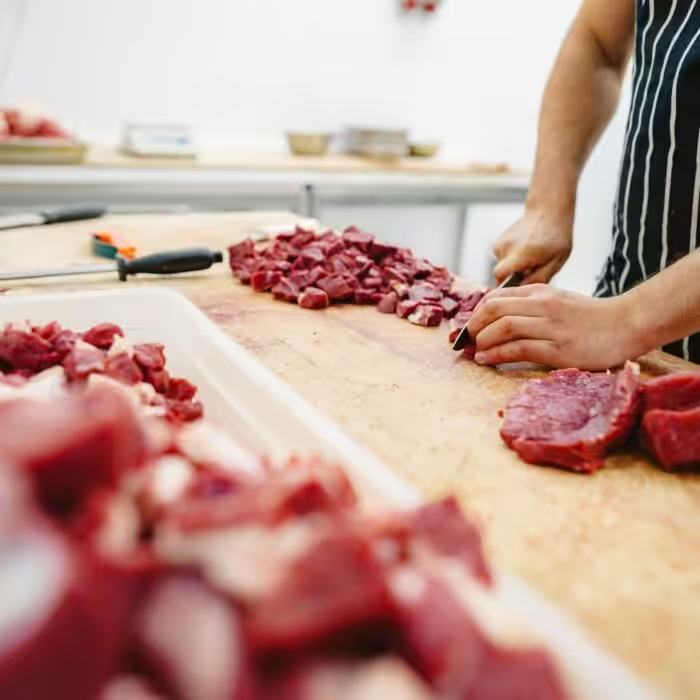
Mincing, blending, seasoning and forming can all affect product temperature. This is particularly relevant where several processes take place in sequence or where large batches are handled during a short production window.
Flake ice may be added during mixing or preparation to help manage heat within products such as:
- Minced meat.
- Burgers and formed products.
- Stuffing and seasoned meat mixtures.
- Sausage meat.
- Other value-added or prepared meat products.
Controlled dosing can help processors maintain more consistent batch temperatures. The amount added must form part of the approved recipe and production procedure, particularly where water content affects yield, texture or labelling.
For a single production cell, ice may be dispensed from a local storage container. Larger facilities may use central storage and distribution to supply several mixers, mincers or forming lines.
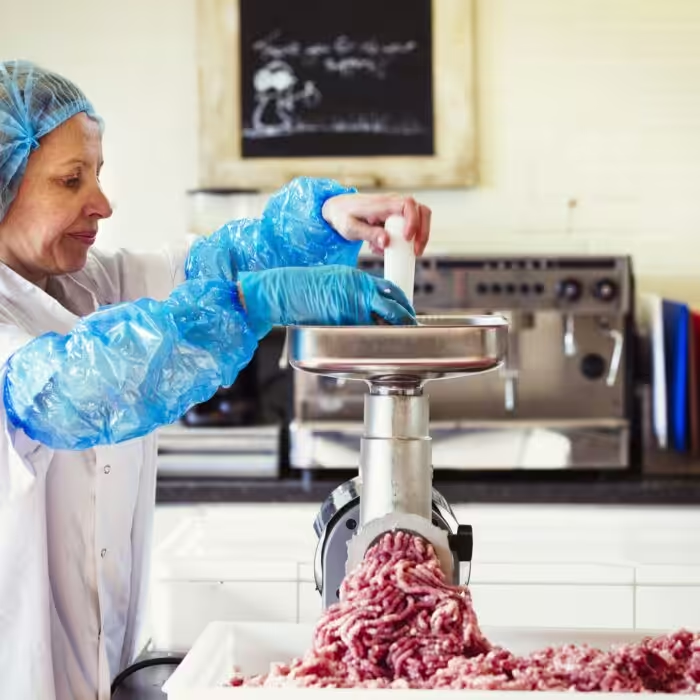
Certain zones within a meat-processing facility carry a higher risk of temperature deviation than others. Chill stores, packing and portioning lines, and loading bays used for dispatch or intake are all points where product can be exposed to warmer ambient conditions for extended periods.
These environments are frequently identified as critical control points within a facility’s HACCP plan, where temperature must be monitored, recorded and kept within a validated range. A delay in cooling, a fault in packaged-ice supply, or a busy dispatch period can each introduce risk at these stages.
On-site production using industrial flake ice machines gives processors direct control over supply at these points, rather than relying on scheduled deliveries of packaged ice. Ice can be applied close to the point of use, helping to hold product within its required temperature range through handling, packing and dispatch.
Indicative Flake Ice Capacity for Meat Processing
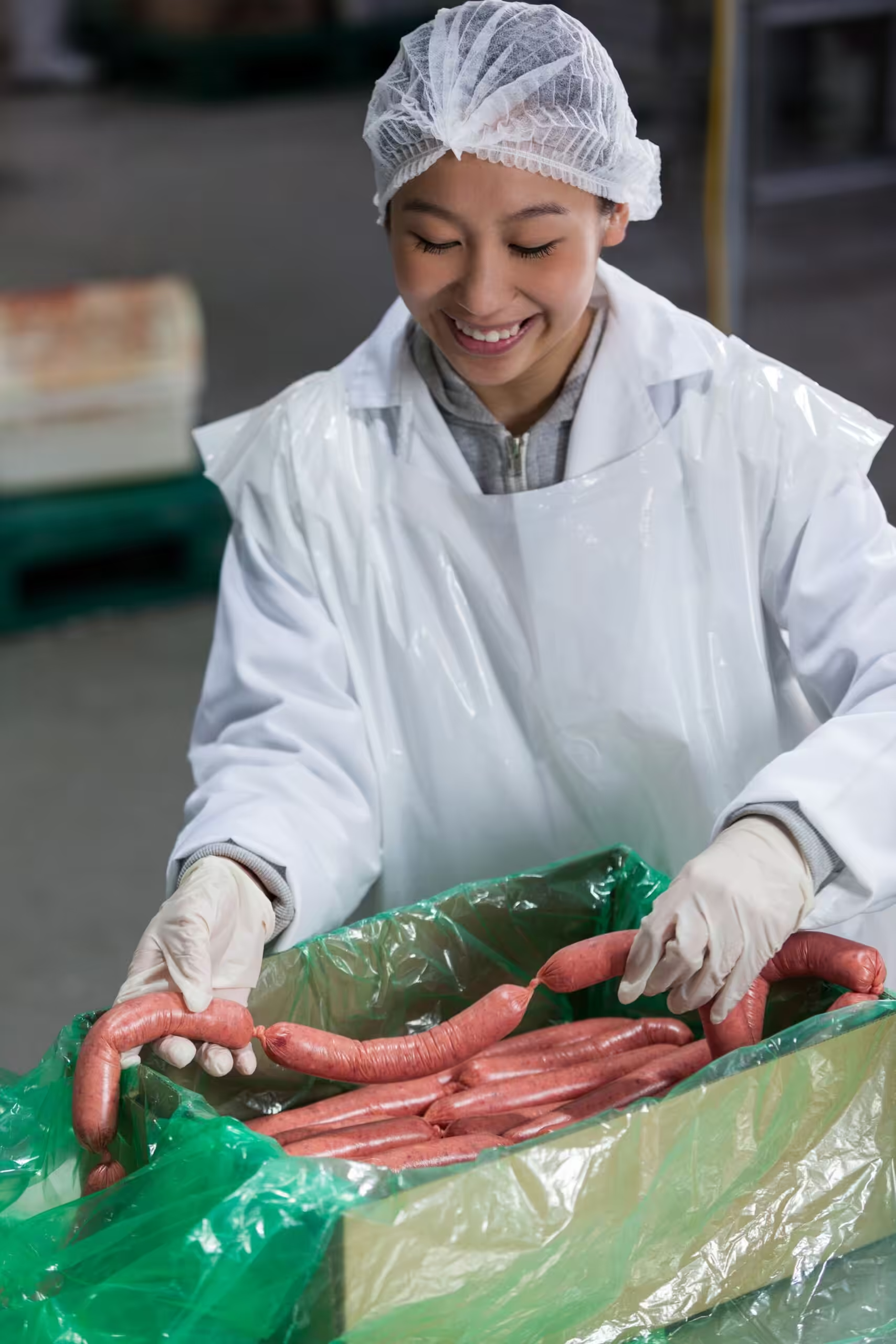

In meat processing, Sub-cooled Flake Ice can be quickly and easily added as needed, providing an effective alternative to water for maintaining product quality and consistency.
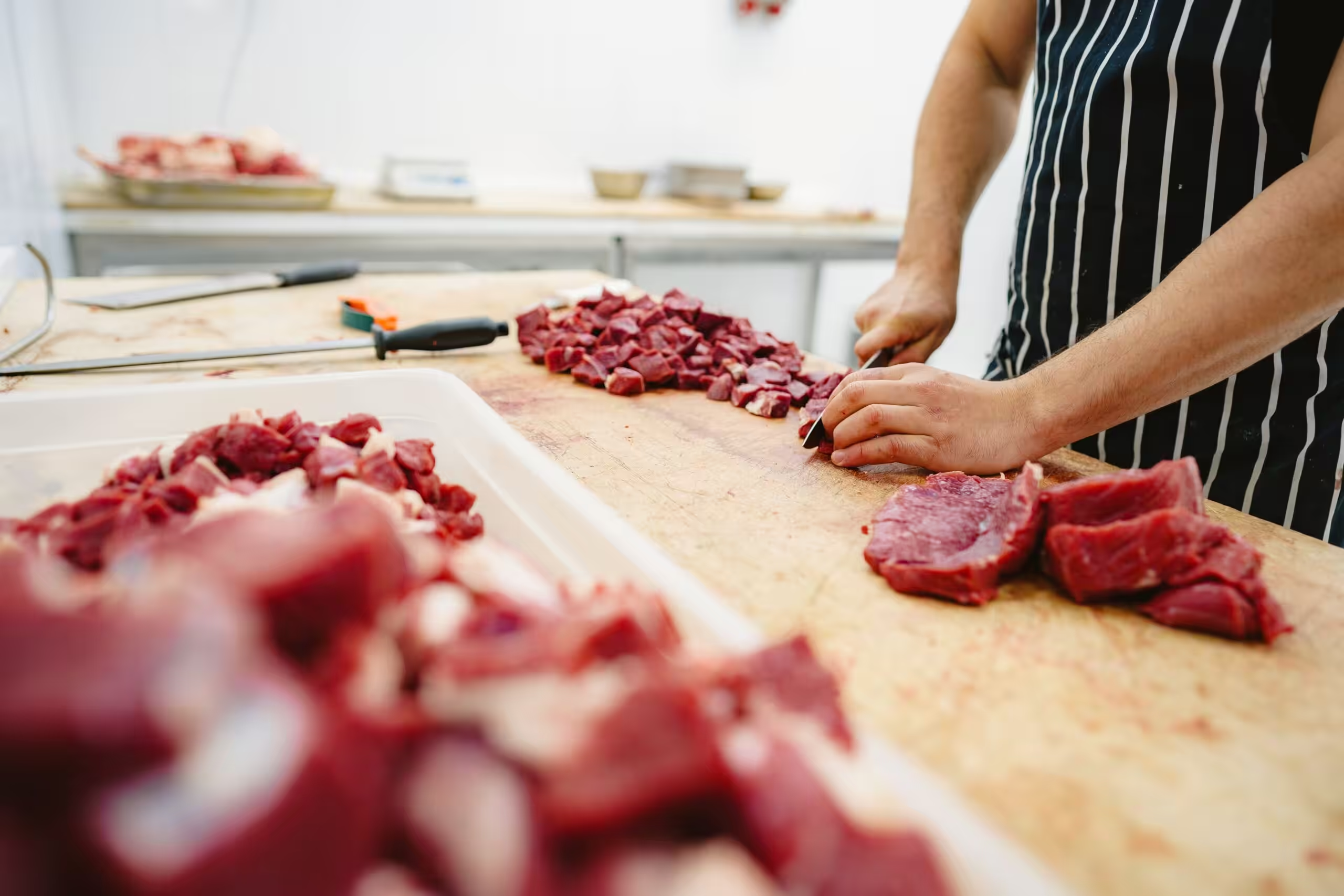

Flake ice is sub-cooled when produced at -7°C, is dry to the touch, allowing each flake to remain separate without clumping.
Flake ice can be stored at low temperatures without clumping. Ideal for promotion.
We pride ourselves on industry leading service and support. We are available when needed.
Buy or Rent.
Comprehensive range with capacities between 25kg – 375kg per running hour.
Quick delivery available. Usually within 48 – 72 hours. References and Testimonials available.


Frequently Asked Questions
What type of ice is used in meat processing?
Sub-cooled flake ice is commonly used because its thin structure provides broad product contact and distributes easily through mixtures. It can be used for direct cooling, offal handling and controlled recipe inclusion in products such as sausages and prepared meats.
How much ice does a meat-processing facility need?
Ice demand should be calculated from the amount required per batch, the number of batches produced, peak hourly use and available storage. Ice Systems supplies machines producing between 600 kg and 9,000 kg per 24 running hours, but the final model should be selected following an assessment of the individual process.
Why is flake ice used in sausage bowl cutters?
Bowl cutting generates heat as the ingredients are processed. Flake ice can be dosed into the mixture according to the approved recipe to help manage the final batch temperature. Its thin structure allows it to disperse efficiently through the product.
Can flake ice be used for offal processing?
Yes. Flake ice can be used around intestines, edible offal and other products requiring cooling between processing, storage or transport stages. The quantity and application method should be defined by the facility’s validated food-safety and quality procedures.
Can one flake ice machine supply several meat-processing lines?
Yes. A machine can feed central storage or a distribution system serving several production areas. The capacity assessment must account for simultaneous demand, storage volume and the operational effect of a single machine supplying multiple lines.
Can flake ice be used for minced meat, burgers or other prepared meat products?
Yes. Flake ice can be dosed during mixing or forming to help manage heat generated by mincing, blending and shaping. The amount added should form part of the approved recipe and production procedure, particularly where water content affects yield, texture or labelling.
How does flake ice support temperature-sensitive handling environments?
Areas such as chill stores, packing lines and loading bays are particularly sensitive to temperature fluctuation. On-site flake ice production gives processors direct control over supply, helping maintain consistent conditions in line with the temperature-control requirements set out in a facility’s HACCP plan.

Products
Ice Systems Offers a Range of Industrial Flake and Chip Ice Machines

Aftersales
Industry Leading Service, Support, Installation and Training

Make An Enquiry
Call 01472 267524 for more information or complete the form below: