It seems like you’re visiting from a different country. Click the button below to visit the website in your area.











Flake Ice for Bakeries
Warmer weather can have a direct impact on dough performance. Increased ambient temperatures accelerate yeast activity, often leading to over-mature mixes; stickier doughs, and less control over the final product.
This is where ice becomes an essential tool – not just a convenience.
In many bakery operations, sub-cooled flake ice is used as a direct alternative to water. Added during mixing, it helps bring dough temperatures down quickly and accurately, giving bakers greater control over fermentation and consistency.
In many bakery operations, sub-cooled flake ice is used as a direct alternative to water. Added during mixing, it helps bring dough temperatures down quickly and accurately, giving bakers greater control over fermentation and consistency.
The benefit is simple: better temperature control means better product. By slowing yeast activity, ice helps prevent premature fermentation while supporting consistent texture, structure, and moisture retention across batches.
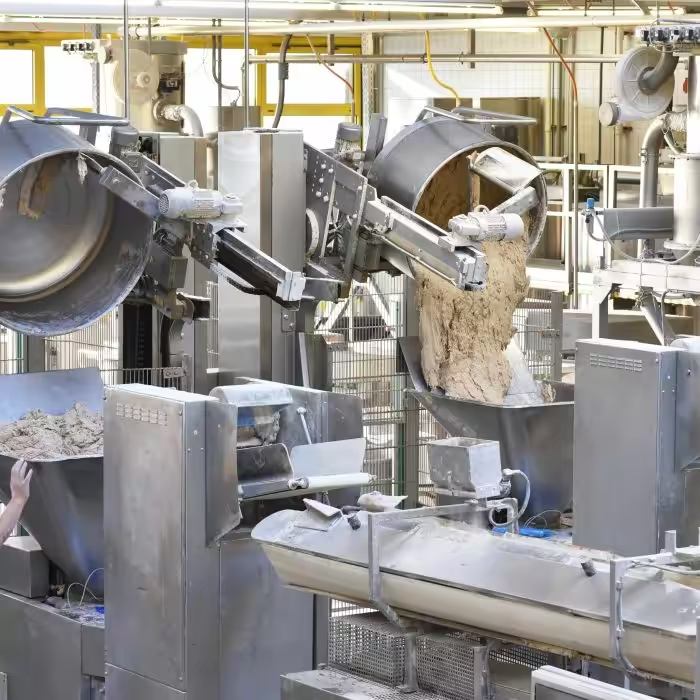
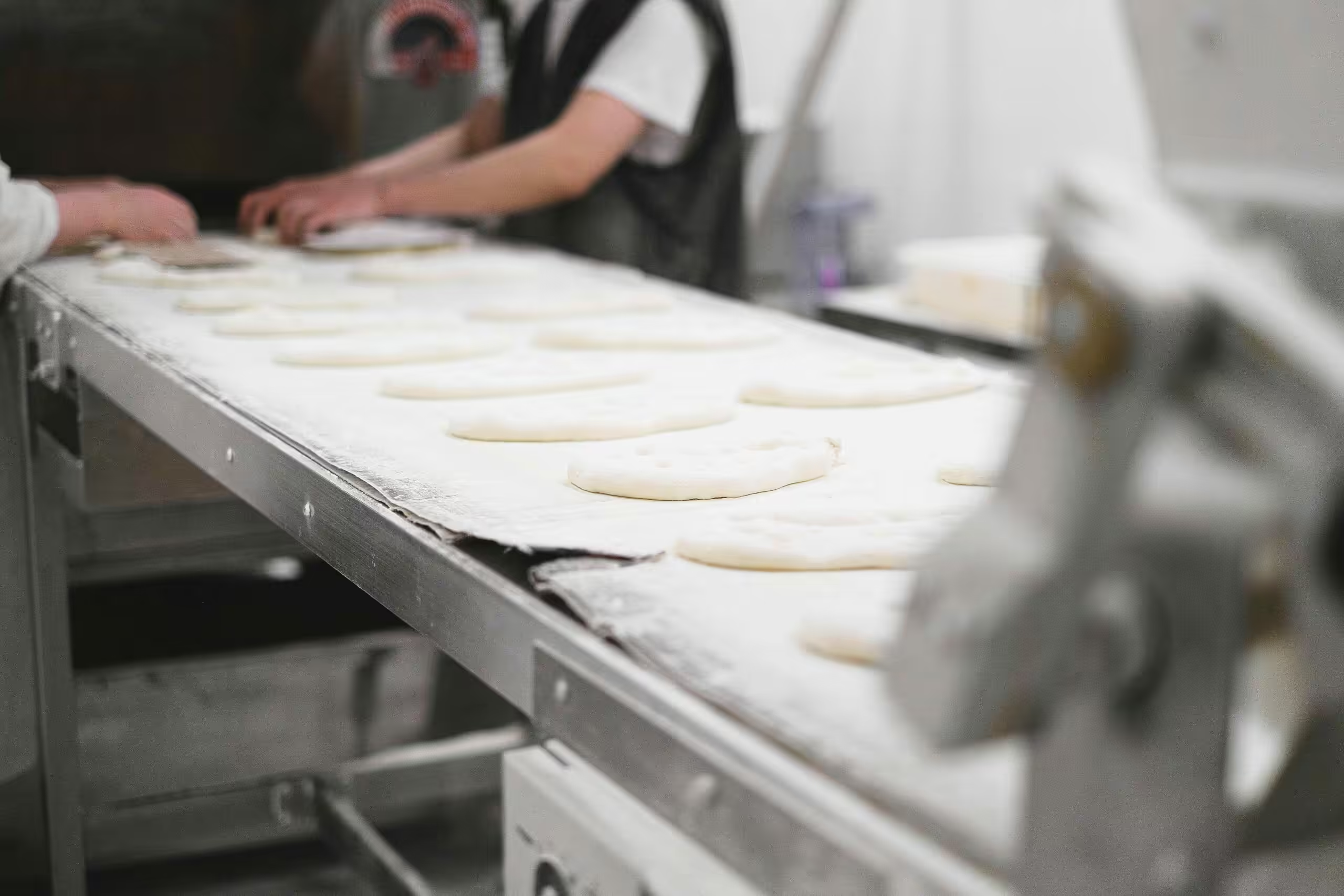
As production demands increase with seasonal demand, maintaining that control becomes even more critical. Flake ice, produced at around -7°C, melts rapidly and evenly, integrating seamlessly into recipes without affecting formulation or leaving residue.
Spring is often the point where bakeries start to feel the shift – but it’s also the opportunity to get ahead. Whether it’s improving consistency, reducing waste, or simply keeping processes stable as temperatures rise, integrating ice into your production process can make all the difference.
At Ice Systems, we provide reliable, scalable ice solutions across Europe – including flake ice machines for bakeries – whether you’re preparing for seasonal demand or looking to future-proof your production.
Because when the temperature rises, control matters more than ever.
Speak to our team today about integrating flake ice into your production this Spring!


Products
Ice Systems Offers a Range of Industrial Flake and Chip Ice Machines
Aftersales
Industry Leading Service, Support, Installation and Training

Make An Enquiry
Call 01472 267524 for more information or complete the form below: