It seems like you’re visiting from a different country. Click the button below to visit the website in your area.









Industrial Ice Machine Capacity
For many businesses, purchasing an industrial or large-scale commercial ice machine is a significant capital investment. Whether ice is used for food processing, bakery production, meat processing or seafood handling, the reliability of the equipment can directly impact production schedules, product quality and operational efficiency.
Yet while production capacity, ice type and equipment specifications often receive the most attention during the buying process, one of the most important considerations is frequently overlooked: what happens after installation?
The reality is that the long-term performance of any industrial ice system depends on far more than the machine itself. Proper commissioning, preventative maintenance, engineering support and access to technical expertise all play a critical role in ensuring reliable operation year after year.
This guide explores the support structures that help industrial ice systems perform at their best throughout their operational life and highlights why ongoing engineering support should be a key consideration when investing in industrial ice production equipment.
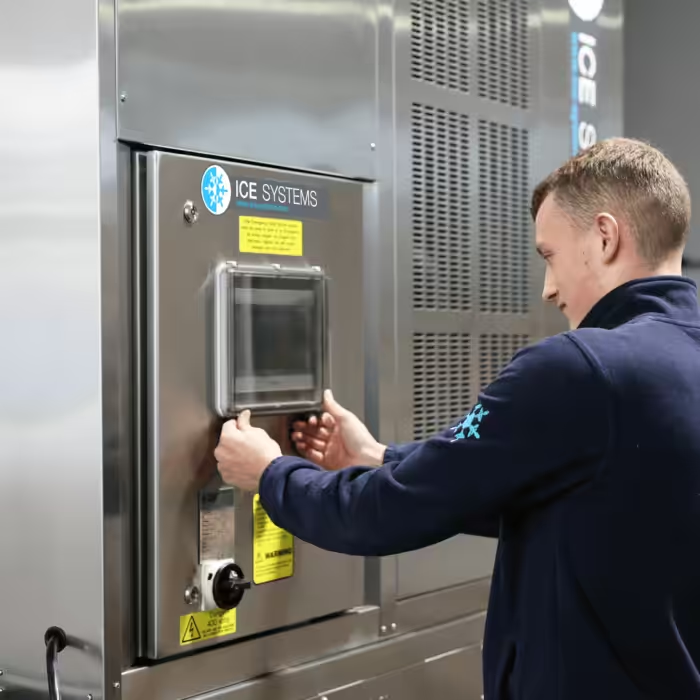
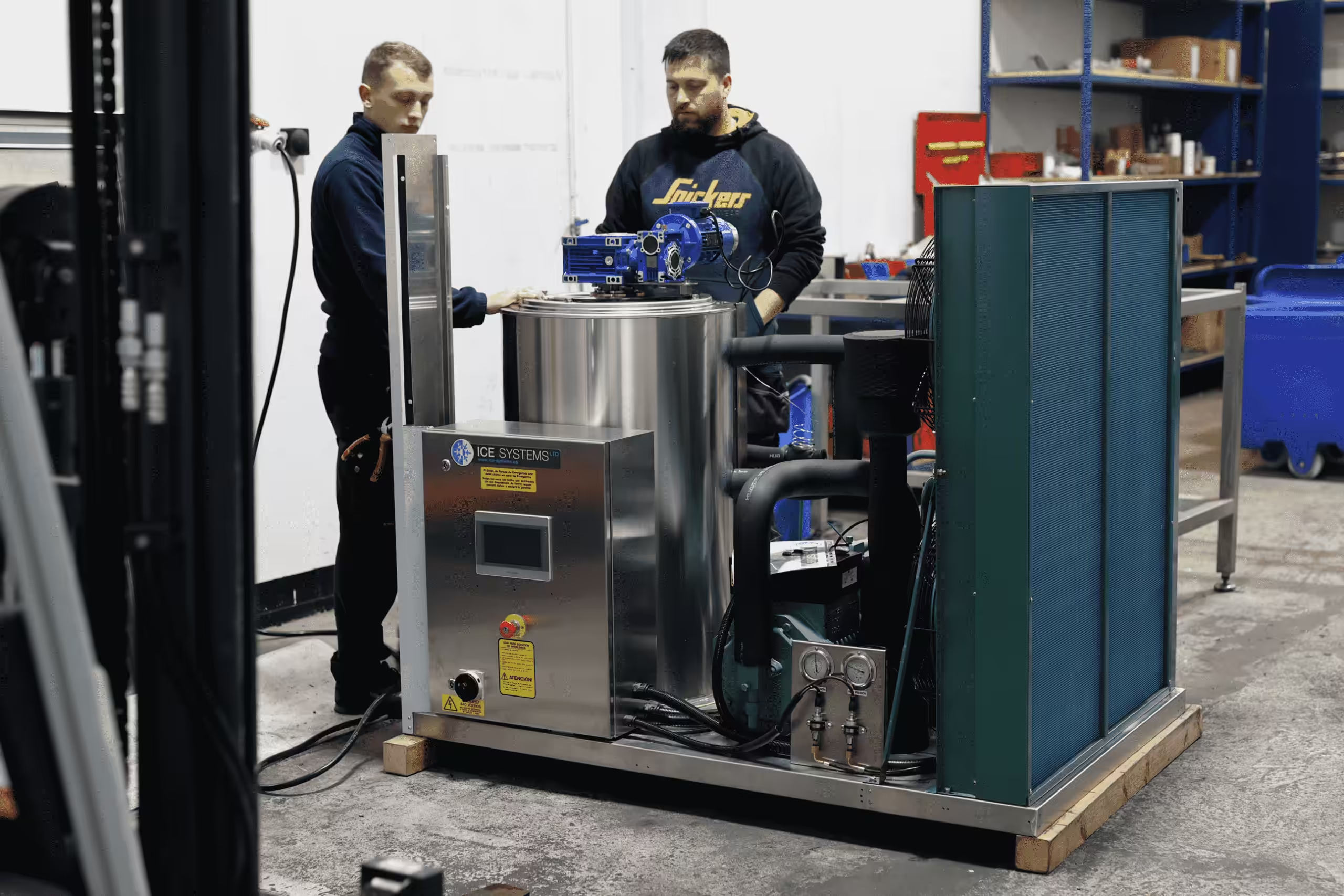
When an industrial ice machine arrives on site, many businesses naturally focus on getting the equipment operational as quickly as possible. However, installation is only the beginning of the system’s lifecycle.
Industrial ice machines often operate in demanding environments where reliability is essential. Food manufacturers rely on ice for temperature control during processing. Bakeries use ice to manage dough temperatures and improve product consistency. Meat processors and seafood facilities require continuous access to ice to maintain product quality and food safety standards.
In these environments, unplanned downtime can result in production delays, increased costs, spoiled produce and operational disruption.
For this reason, the relationship between a business and its commercial ice machine supplier should not end once the equipment has been delivered. Instead, it should evolve into a long-term partnership focused on maintaining performance, reducing risk and ensuring the system continues to meet operational requirements.
The most successful installations are often supported by a structured approach that combines commissioning, preventative maintenance, technical support and lifecycle management.
Following installation, industrial ice systems enter a critical period where performance is evaluated, operating conditions are assessed and system settings are refined.
Even when an ice machine has been correctly installed, every site presents unique variables. Factors such as water quality, ambient temperatures, production schedules, operating hours and usage patterns can all influence performance.
This is why post-installation support is so important.
The initial operational period allows engineers to verify that the equipment is functioning as intended within the specific environment where it will operate. Any adjustments can then be made before minor inefficiencies develop into larger issues.
By taking a proactive approach during this stage, businesses can establish a solid foundation for long-term reliability.
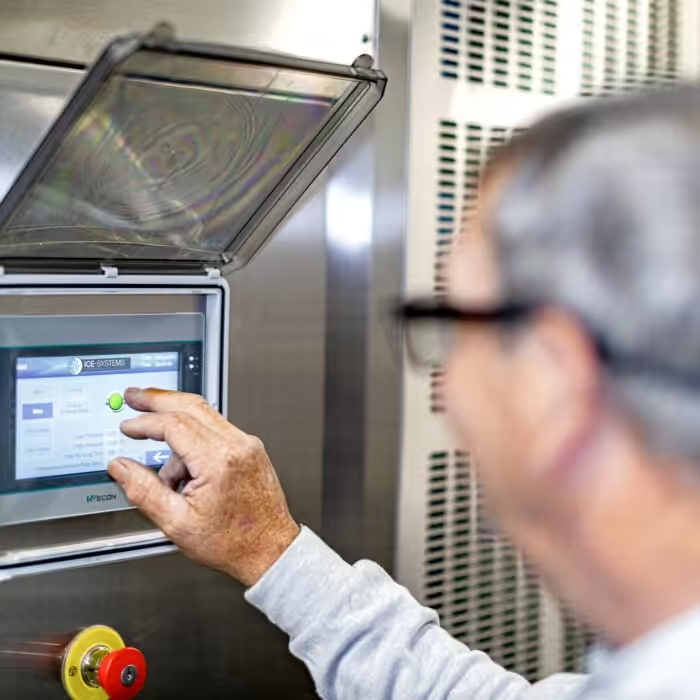
Commissioning is one of the most valuable stages in the lifecycle of an industrial ice machine. While installation focuses on physically placing and connecting the equipment, commissioning ensures that the system is operating correctly and efficiently under real-world conditions. During commissioning, engineers assess a wide range of factors that can affect performance. These may include:
- Ice Production Performance: The machine’s output is measured and compared against expected production rates to ensure the system is capable of meeting operational requirements.
- Refrigeration System Performance: Refrigeration components are inspected and tested to verify correct operation and identify any potential issues before they impact production.
- Water System Assessment: Water quality has a significant impact on ice production equipment. Engineers evaluate filtration systems, water flow and overall water quality to help protect the machine from scaling and contamination.
- Environmental Conditions: Industrial facilities can vary considerably in temperature, humidity and airflow. Commissioning allows the system to be optimised for its specific operating environment.
- Storage and Distribution Integration: Where ice storage bins, conveyors or distribution systems are incorporated into the installation, these elements must operate seamlessly alongside the ice machine itself.
Proper commissioning helps ensure the system begins its operational life in the best possible condition while providing valuable baseline performance data for future servicing and maintenance activities.
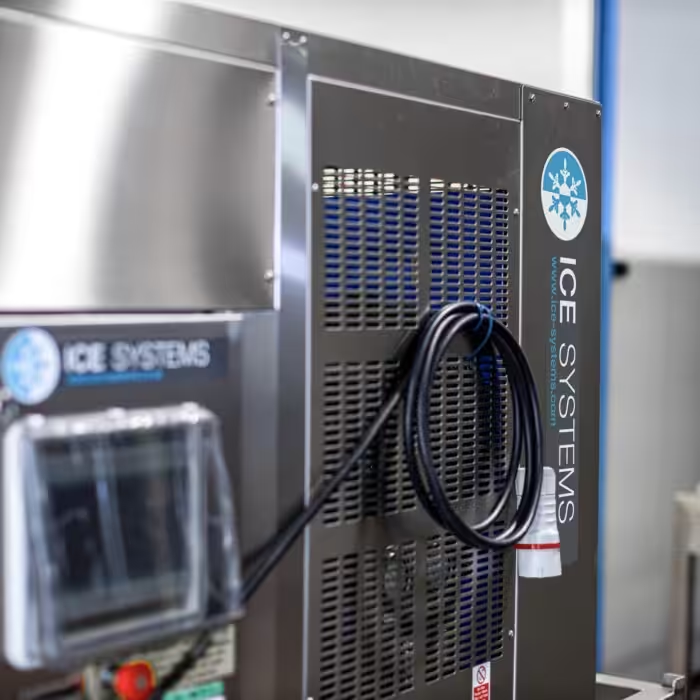
Many industrial facilities and factories operate ice machinery under preventative maintenance programmes because waiting for equipment to fail is rarely a cost-effective strategy. Preventative maintenance focuses on identifying and addressing potential issues before they result in downtime, reduced production or costly repairs.
Rather than reacting to breakdowns, businesses can schedule inspections and servicing activities at planned intervals, helping minimise disruption to production schedules. The benefits of preventative maintenance often include:
- Improved reliability
- Reduced risk of unexpected failures
- More consistent ice production
- Better energy efficiency
- Longer equipment lifespan
- Lower lifetime operating costs
For facilities that depend on a reliable supply of ice, preventative maintenance can be one of the most important factors in maintaining operational continuity.
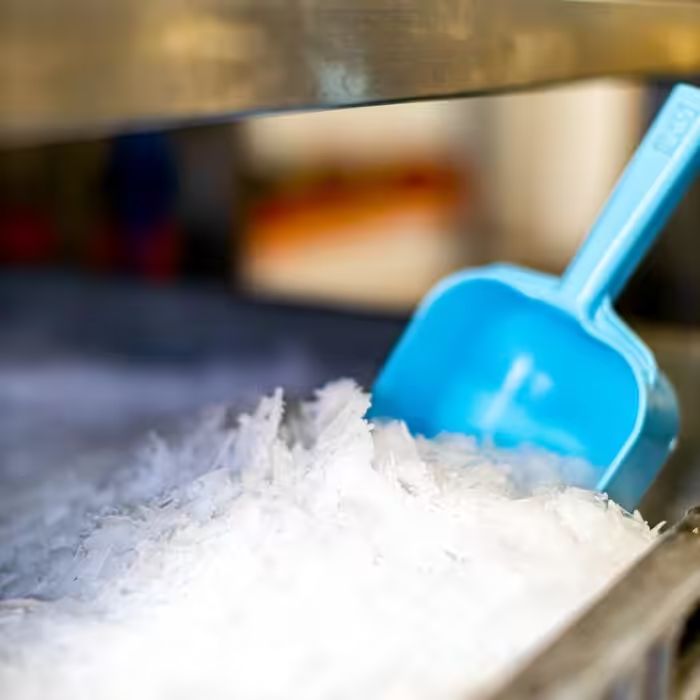
Industrial ice systems contain a variety of mechanical, electrical and refrigeration components that require ongoing attention. A comprehensive service programme may include several important inspection and maintenance activities.
- Refrigeration System Checks: The refrigeration system is at the heart of every industrial ice machine. Routine inspections help verify that compressors, condensers, evaporators and associated components are functioning efficiently and within operational specifications.
- Water System Maintenance: Water quality directly affects both ice quality and equipment longevity. Regular servicing may involve inspecting filters, checking water flow rates and identifying any signs of mineral build-up that could reduce efficiency or increase wear.
- Scale and Contamination Prevention: Mineral deposits can gradually accumulate within water systems and ice-making surfaces. If left unmanaged, scaling can reduce production efficiency and increase maintenance requirements. Routine inspections and cleaning procedures help prevent these issues from developing.
- Mechanical Component Inspection: Motors, bearings, drive systems and other moving parts are subject to wear over time. Identifying wear early allows components to be replaced during planned maintenance windows rather than after a failure occurs.
- Electrical System Testing: Electrical connections, control systems and safety devices should be routinely inspected to ensure continued safe and reliable operation.
- Performance Monitoring: Monitoring production rates, operating temperatures and overall system performance can help engineers identify trends that may indicate emerging maintenance requirements.
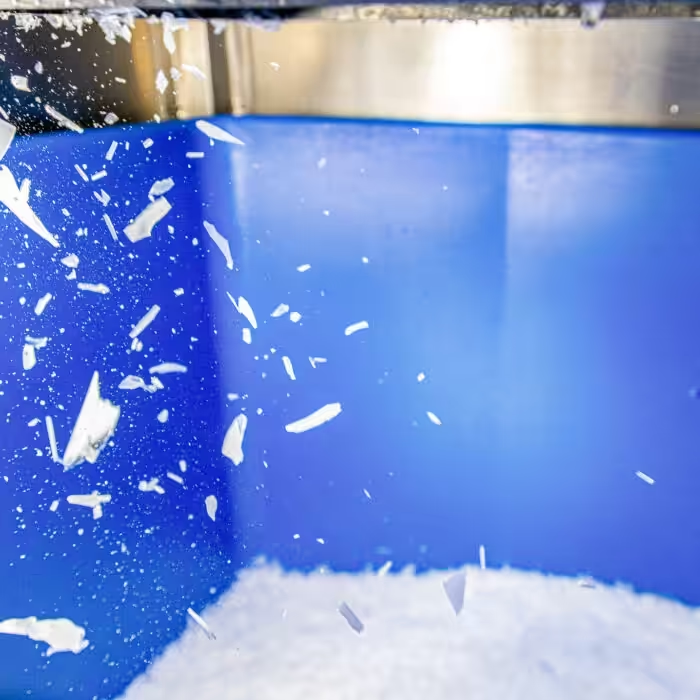
Even the most robust industrial equipment may occasionally require replacement components or technical support. When this happens, response times become increasingly important. For businesses operating around the clock or running time-sensitive production schedules, extended downtime can have significant operational and financial consequences. This is why access to genuine spare parts and experienced technical support should form part of any supplier evaluation process.
Fast access to the right expertise can often make the difference between a minor interruption and a major production issue.
Industrial operations rarely remain static. Production volumes change, facilities expand and operational requirements evolve over time. As a result, the ice production requirements of a business may look very different five years after installation than they did on day one. Long-term engineering support allows businesses to adapt their systems as these changes occur. This support may involve:
- Capacity Expansion: Additional production capacity may be required as demand increases. Engineering teams can assess whether existing systems can be expanded or whether supplementary equipment is required.
- Process Optimisation: Changes in manufacturing processes may create opportunities to improve efficiency or reduce operating costs through system modifications.
- Equipment Upgrades: Advancements in controls, refrigeration technology and efficiency improvements may provide opportunities to enhance existing installations.
- Site Relocation or Expansion: Where facilities expand or relocate, engineering expertise can help ensure systems continue to perform effectively within their new environment. By maintaining an ongoing relationship with experienced engineers, businesses can ensure their ice production capabilities continue to align with operational requirements.
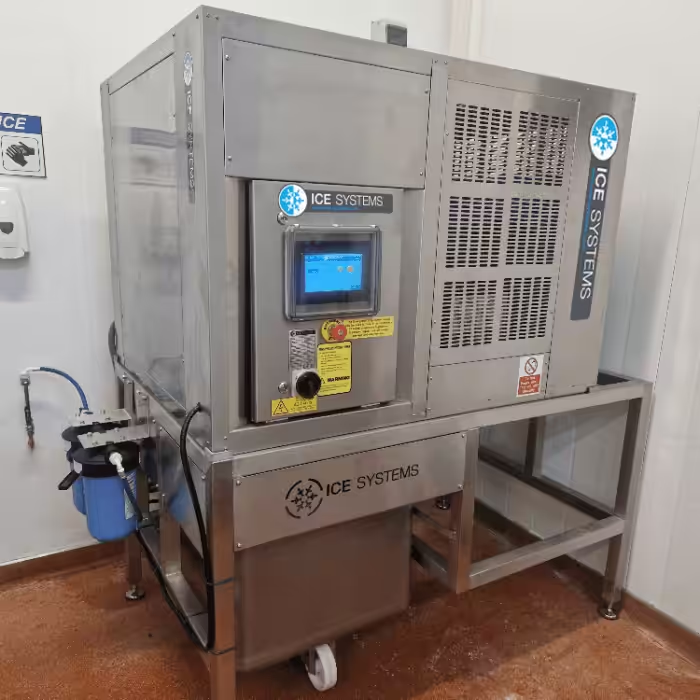
Industrial ice machines are designed to provide reliable long-term operation. While exact lifespans vary depending on usage levels, maintenance practices and operating conditions, most systems follow a broadly similar lifecycle.
- Year One: Installation and Optimisation – The focus is on commissioning, performance validation and establishing maintenance procedures.
- Years Two to Five: Stable Production – Regular servicing and preventative maintenance help maintain reliable operation and optimise efficiency.
- Years Five to Ten: Component Renewal – Certain wear components may require replacement while ongoing maintenance helps preserve performance.
- Beyond Ten Years: Lifecycle Extension – With proper care and support, many industrial ice systems continue operating effectively for well over a decade.
At this stage, businesses may evaluate refurbishment programmes, efficiency upgrades or capacity expansion opportunities.
The quality of maintenance and support provided throughout the system’s life often has a significant influence on long-term performance and return on investment.
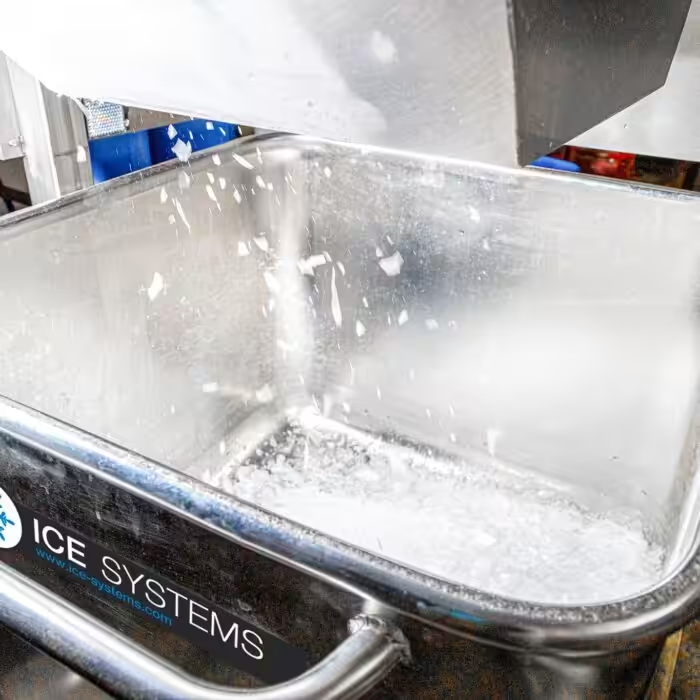
When investing in an industrial ice machine, the equipment itself is only part of the solution. The expertise, support and service behind it are just as important to ensuring reliable day-to-day operation.
At Ice Systems, we work closely with businesses across food production, bakeries, meat processing, seafood, and industrial sectors to deliver ice solutions tailored to their specific requirements.
Our customers benefit from:
-
- Expert advice on selecting the right ice machine
-
- Professional installation and commissioning
-
- Ongoing technical support
-
- Preventative maintenance programmes
-
- Access to spare parts and engineering expertise
-
- Flexible purchase and rental options
- Nationwide support and fast response times
Whether you require a dependable supply of flake ice, or chip ice, our team is committed to helping you maximise efficiency, reduce downtime and maintain consistent production standards.
With decades of industry experience and thousands of successful installations, Ice Systems provides more than just ice machines, we provide long-term support you can rely on.
An industrial ice machine is far more than a standalone piece of equipment. It is an operational asset that requires ongoing attention, maintenance and support to achieve its full potential.
From commissioning and preventative servicing through to spare parts support and long-term engineering assistance, every stage of the system lifecycle contributes to reliability, efficiency and performance.
Businesses that view industrial ice production as a long-term partnership rather than a one-time equipment purchase are often best positioned to maximise uptime, minimise disruption and achieve the greatest return on investment from their ice systems.
Frequently Asked Questions
How often should an industrial ice machine be serviced?
Service frequency depends on usage levels, operating conditions and water quality. Most industrial facilities benefit from a structured preventative maintenance programme with regular inspections throughout the year.
What is involved in commissioning an industrial ice machine?
Commissioning typically includes system testing, performance verification, refrigeration checks, water system assessment and optimisation of operating settings for the installation environment.
Why is preventative maintenance important?
Preventative maintenance helps identify issues before they result in equipment failure, reducing downtime and supporting long-term reliability.
How long can an industrial ice machine last?
With appropriate maintenance and engineering support, many industrial ice systems remain operational for well over ten years.
Where can I learn more about industrial ice systems?
Explore our range of industrial flake ice machines or discover more about our commercial ice machine supplier services to understand how industrial ice systems can support your operation.


Products
Ice Systems Offers a Range of Industrial Flake and Chip Ice Machines
Aftersales
Industry Leading Service, Support, Installation and Training

Make An Enquiry
Call 01472 267524 for more information or complete the form below: