It seems like you’re visiting from a different country. Click the button below to visit the website in your area.









Industrial Ice Machine Suppliers
When investing in industrial ice production equipment, organisations often focus heavily on machine specifications, production capacity and upfront costs. While these factors are undoubtedly important, they only represent part of the decision-making process.
For many businesses, particularly those operating in food manufacturing, meat processing, seafood handling, bakery production and industrial cooling applications, the long-term success of an ice system depends just as much on the supplier behind the equipment as the equipment itself.
Industrial ice systems are critical operational assets. When production relies on a dependable supply of ice, equipment downtime can impact product quality, production schedules, operational efficiency and profitability. As a result, many organisations are increasingly looking beyond the initial purchase and seeking suppliers who can act as long-term partners throughout the lifecycle of their investment.
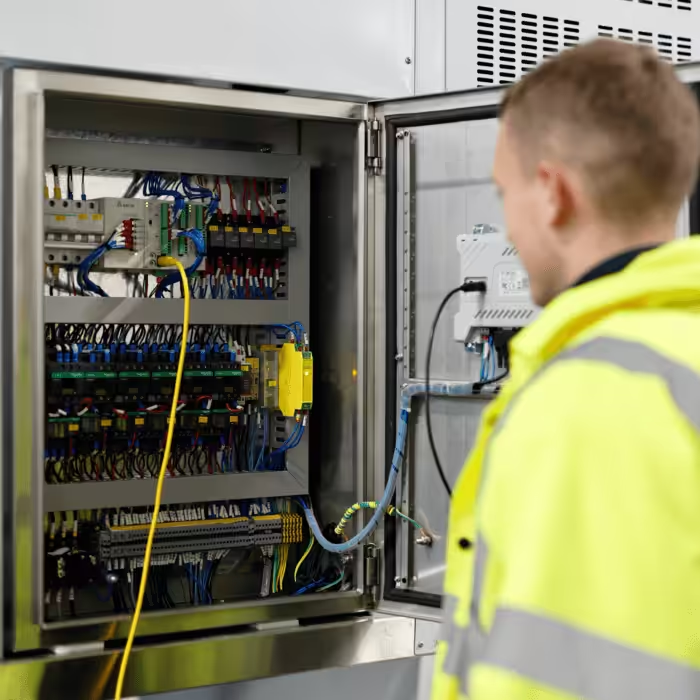
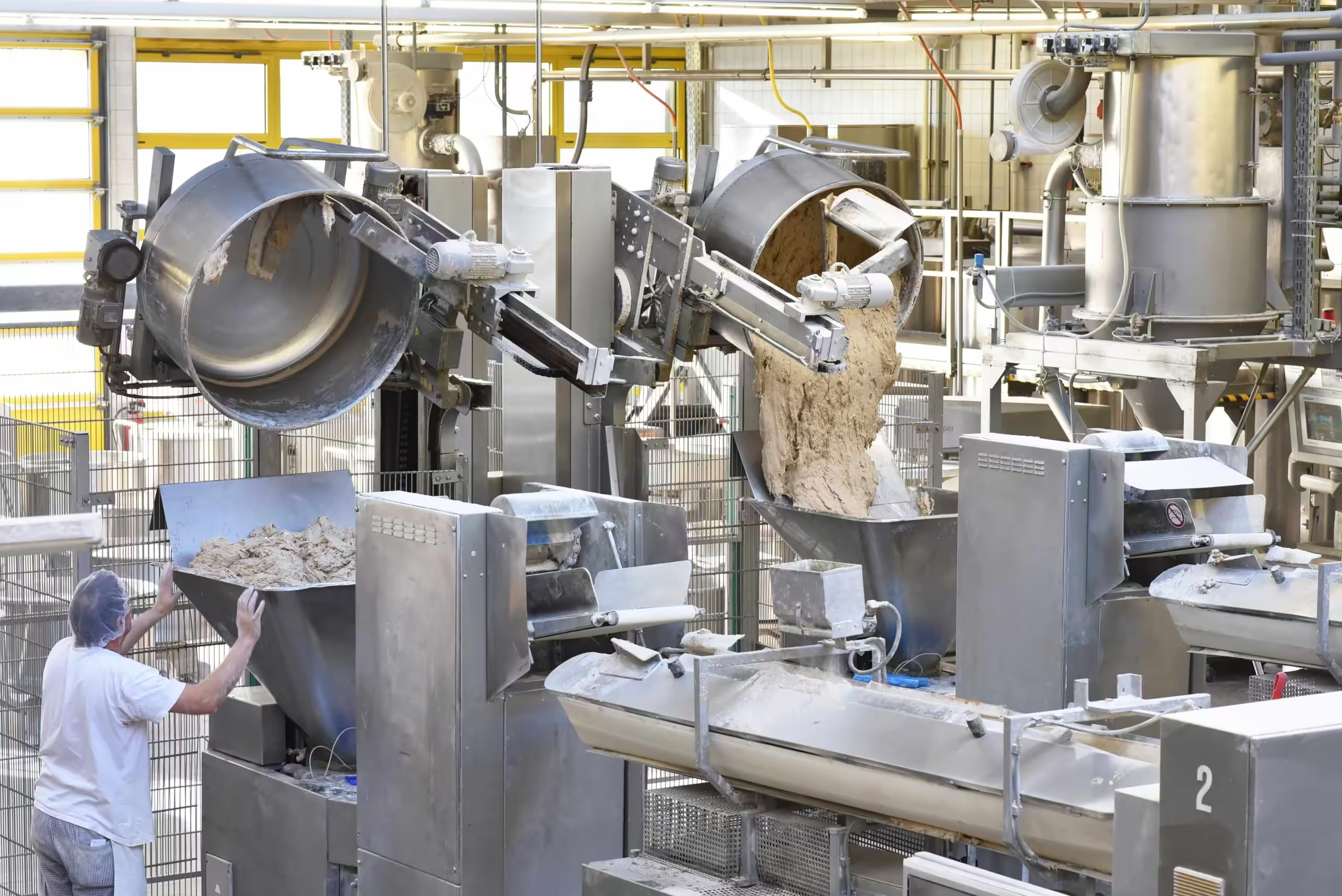
Production capacity, ice type, energy consumption and footprint are all important considerations when comparing industrial ice systems. However, two machines with similar specifications can deliver vastly different outcomes depending on how they are designed, installed, commissioned and supported.
Many operational challenges arise not because the equipment itself is inadequate, but because the system was not correctly specified, integrated or maintained. This is where the distinction between a supplier and a long-term partner becomes particularly important.
A true project partner contributes expertise before, during and after installation to help ensure the system continues to perform efficiently for years to come.
One of the most significant differences between a long-term partner and a traditional equipment supplier is the level of engineering involvement.
An equipment supplier may simply provide a commercial ice machine that meets a requested production capacity. A long-term partner takes the time to understand how ice is used within the operation and how the system will interact with existing processes.
This includes evaluating factors such as:
- Production volumes
- Peak demand periods
- Facility layout
- Temperature requirements
- Water supply conditions
- Storage requirements
- Future growth plans
- Operational objectives
By understanding the wider operational environment, ice machine suppliers can design solutions that are aligned with business goals rather than simply fulfilling a product specification.
This approach often results in improved efficiency, reduced operating costs and greater long-term reliability.
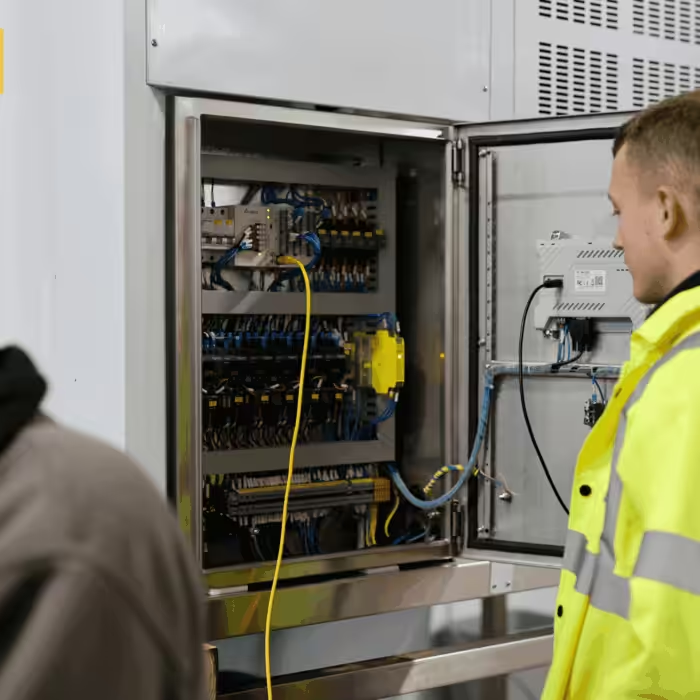
Industrial ice systems rarely operate in isolation. Successful implementation requires careful planning, installation and commissioning to ensure optimal performance.
Long-term partners typically support every stage of the project lifecycle, including:
System Design
Engineering teams assess operational requirements and recommend the most suitable ice production technology, capacity and configuration.
Installation
Experienced installation teams ensure equipment is integrated correctly within the facility while meeting operational and safety requirements.
Commissioning
Commissioning verifies that the system performs as intended under real operating conditions. This process ensures controls, safety systems and production capabilities function correctly before the system enters full operation.
Operator Training
Providing training to operational teams helps maximise performance while reducing the risk of avoidable issues caused by incorrect operation or maintenance practices.
By remaining involved throughout the project, suppliers can help reduce implementation risks and ensure a smoother transition into production.
Responsive Technical Support
Even the most reliable industrial equipment requires support throughout its operational life.
When technical issues occur, access to knowledgeable engineers and responsive support services can significantly reduce downtime and minimise disruption.
Businesses should consider questions such as:
- How quickly can support be provided?
- Are engineers available for emergency callouts?
- Is technical assistance available remotely?
- Are replacement parts readily accessible?
- Is preventative maintenance available?
Long-term partners invest in service infrastructure that allows them to respond quickly when support is required.
This level of support can be particularly valuable in industries where production interruptions can result in significant operational or financial consequences.
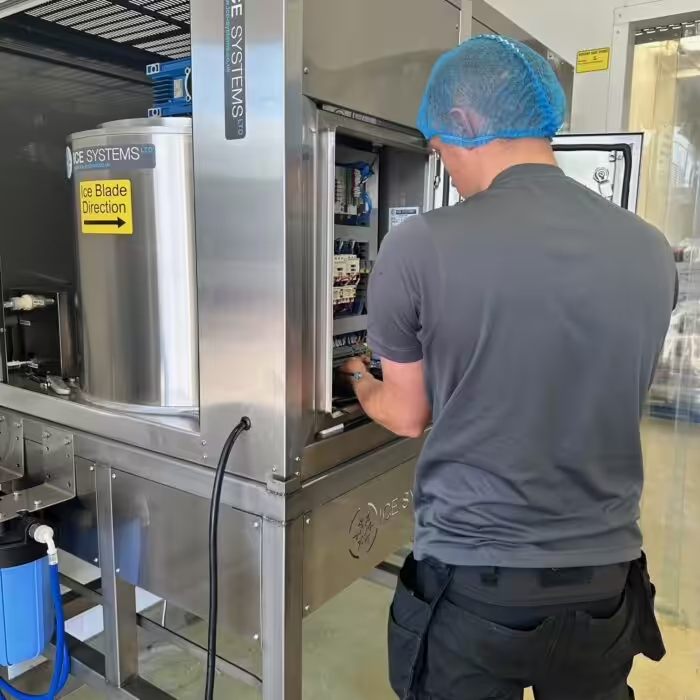
Industrial ice machines represent a long-term investment. While initial performance is important, businesses should also consider how the system will operate over the next five, ten or even fifteen years.
Long-term partners adopt a lifecycle approach that considers:
- Preventative maintenance requirements
- Future upgrades
- Energy efficiency improvements
- Spare parts availability
- Regulatory compliance
- Capacity expansion opportunities
Rather than focusing solely on the initial installation, they help customers develop a strategy for maintaining performance throughout the equipment’s operational life.
This approach can reduce total cost of ownership while helping organisations maximise return on investment.
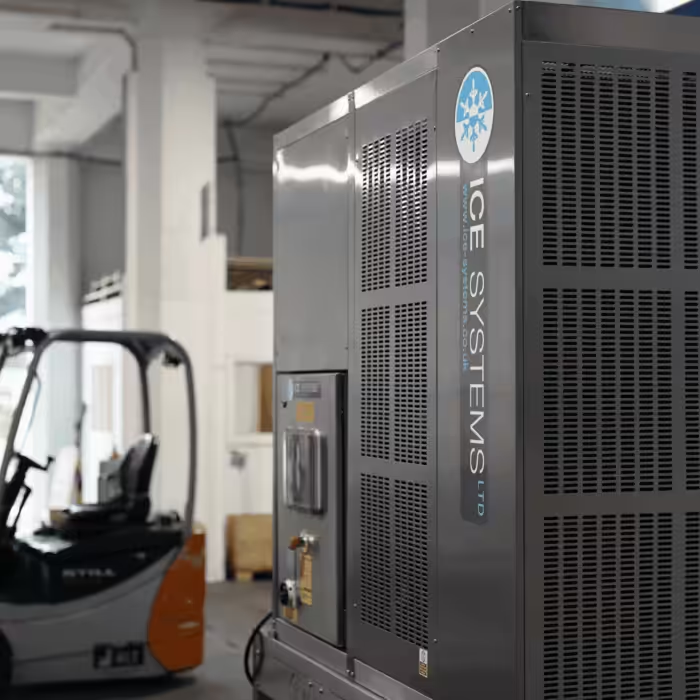
Production requirements rarely remain static.
Businesses may expand facilities, increase output or introduce new production processes that alter ice demand. Systems designed without future growth in mind can become operational bottlenecks, requiring costly modifications or replacement.
Experienced suppliers often incorporate scalability into system design, allowing businesses to expand capacity as operational requirements evolve.
Considering future growth during the design stage can help avoid unnecessary costs and disruption later.
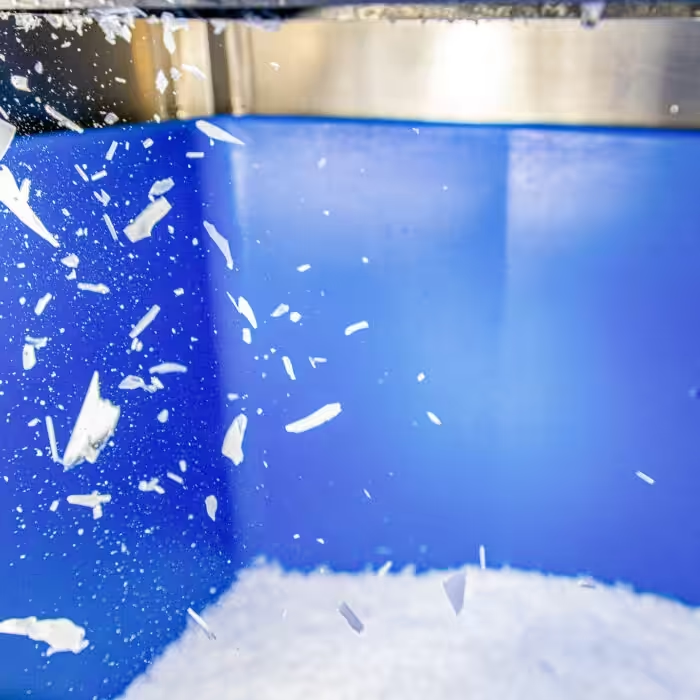
Preventative maintenance plays a vital role in maintaining system performance and reliability.
Routine inspections, servicing and component replacement can help identify potential issues before they develop into costly failures.
Benefits of preventative maintenance include:
- Reduced unplanned downtime
- Improved operational reliability
- Lower repair costs
- Extended equipment lifespan
- Improved energy efficiency
- Better production continuity
A supplier that provides structured maintenance programmes can help businesses protect their investment while maintaining consistent performance.
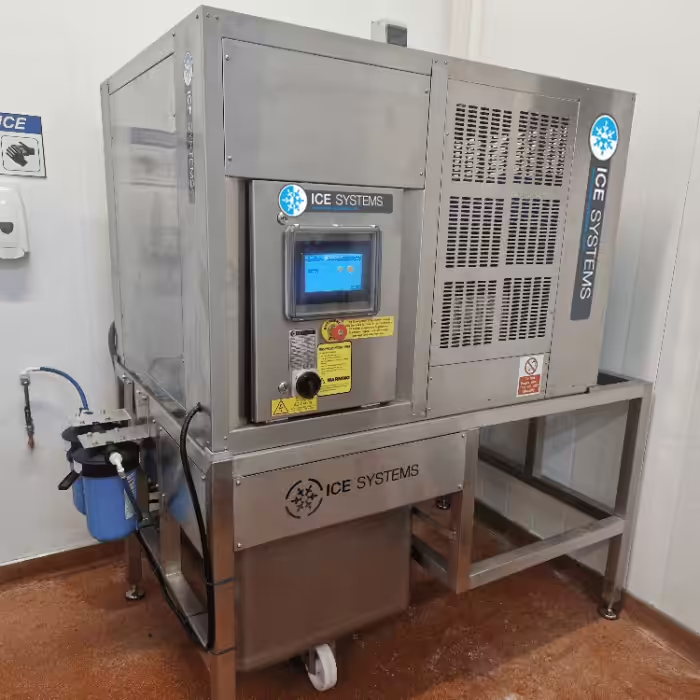
Perhaps the greatest difference between an equipment supplier and a long-term partner is their approach to customer relationships.
Traditional suppliers may consider a project complete once equipment has been delivered and installed.
Long-term partners view commissioning as the beginning rather than the end of the relationship.
They continue working with customers to:
- Monitor system performance
- Address operational challenges
- Provide technical guidance
- Support maintenance activities
- Recommend efficiency improvements
- Assist with future expansion plans
This ongoing collaboration helps ensure customers continue to achieve value from their investment long after installation is complete.
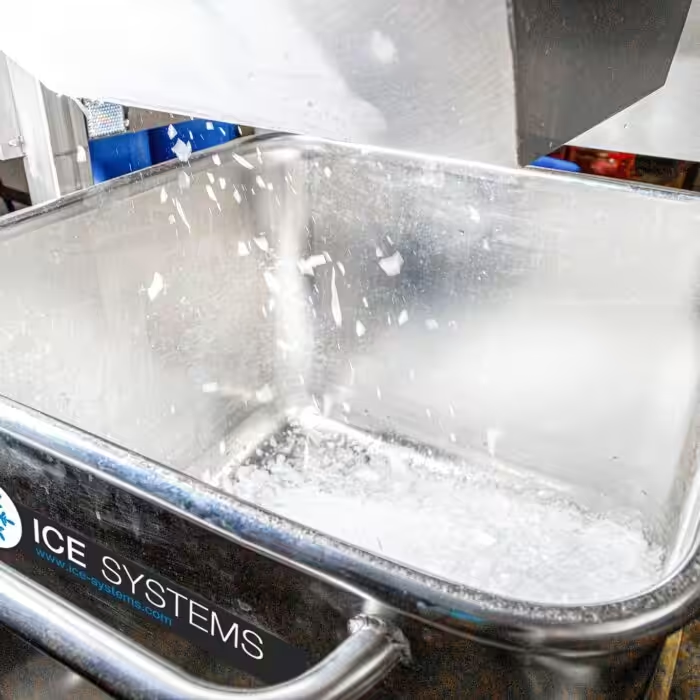
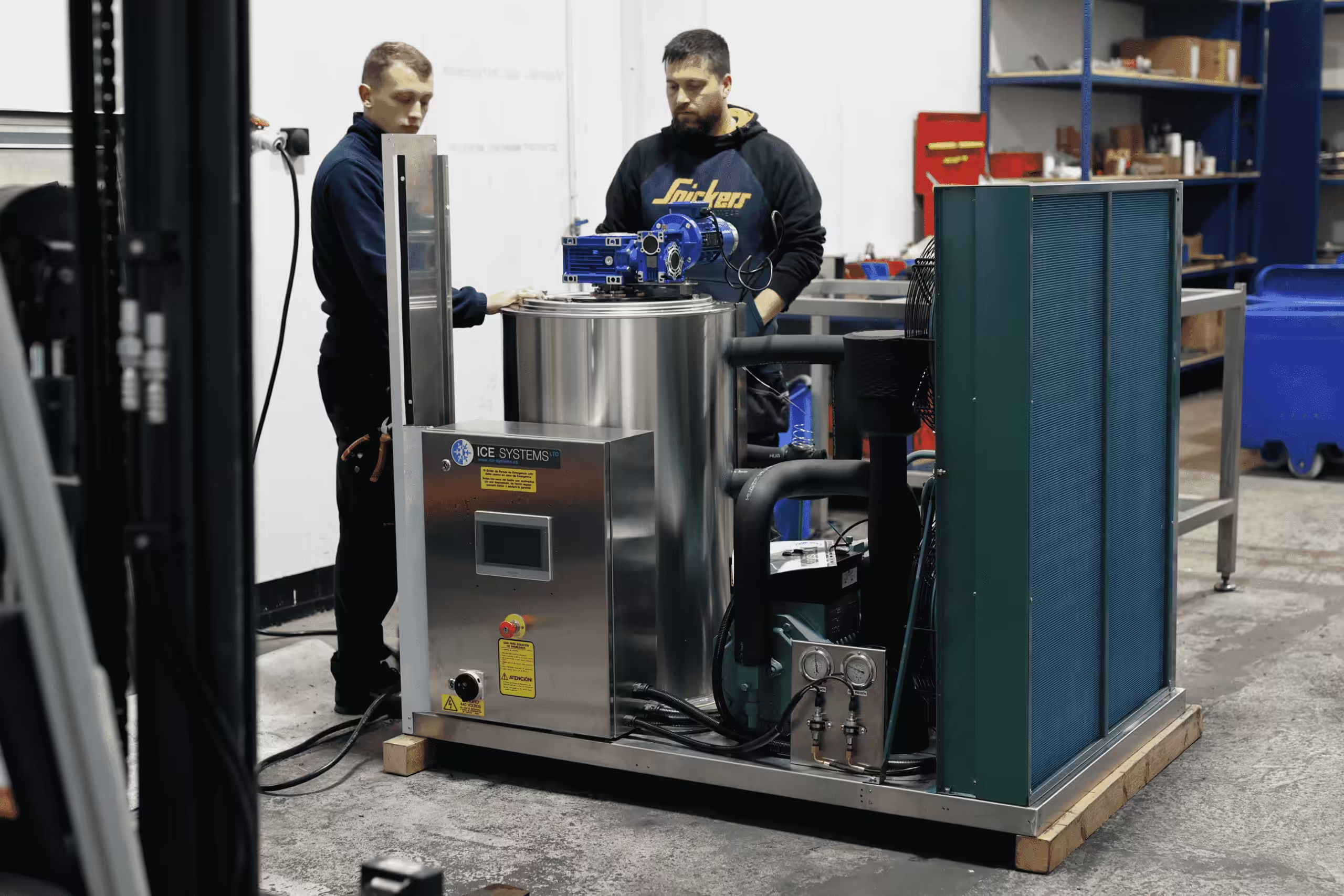
Industrial ice production systems often play a critical role within manufacturing and processing environments.
While equipment specifications remain important, factors such as engineering expertise, project delivery capability, technical support and long-term service arrangements can have an equally significant impact on operational success.
Organisations that evaluate suppliers based solely on machine specifications may overlook factors that ultimately determine reliability, efficiency and long-term value.
By selecting a supplier that offers comprehensive support throughout the entire equipment lifecycle, businesses can reduce risk, improve operational performance and maximise the return on their investment.
At Ice Systems, long-term partnership forms the foundation of every project.
We work with food manufacturers, bakeries, meat processors, seafood operations and industrial facilities to design, install and support reliable ice production systems tailored to their operational requirements.
Whether customers require a large-scale flake ice machine, a rental solution or a fully integrated industrial ice production system, our team provides support throughout every stage of the equipment lifecycle.
From initial consultation and system design through to installation, commissioning, preventative maintenance and ongoing technical support, our focus remains on helping customers maximise efficiency, minimise downtime and maintain a dependable supply of ice for critical production processes.
For businesses investing in industrial ice production infrastructure, the value of a knowledgeable long-term partner can often extend far beyond equipment specifications alone.
Frequently Asked Questions
What industries use industrial ice systems?
Industrial ice systems are widely used in bakeries, food manufacturing facilities, meat processing plants, seafood operations and other industries where temperature control is critical.
Should I rent or buy an industrial ice machine?
Both options can provide advantages depending on operational requirements, capital expenditure budgets and production volumes. Rental solutions can reduce upfront investment, while purchasing may provide lower long-term costs for some operations.
How important is after-sales support?
Aftersales support can significantly influence uptime, maintenance costs and operational continuity. Access to experienced engineers and readily available spare parts can help minimise operational disruption.
How long do industrial ice systems typically last?
With proper maintenance and support, industrial ice systems can remain operational for many years. Lifespan depends on operating conditions, maintenance practices and overall system design.
Why does engineering expertise matter when selecting a supplier?
Strong engineering capability helps ensure systems are correctly specified, integrated and optimised for the application, reducing the risk of performance issues, inefficiencies and unnecessary operating costs.


Products
Ice Systems Offers a Range of Industrial Flake and Chip Ice Machines
Aftersales
Industry Leading Service, Support, Installation and Training

Make An Enquiry
Call 01472 267524 for more information or complete the form below: