It seems like you’re visiting from a different country. Click the button below to visit the website in your area.











What Really Matters at Scale
Choosing an industrial ice system partner is not simply a matter of comparing machine prices and daily production figures.
At scale, an ice machine becomes part of the wider production process. It may need to supply several production areas, respond to changing demand, connect with storage or distribution equipment and operate reliably throughout long shifts.
The right partner should therefore do more than supply a machine. They should be able to understand the application, specify the complete system, manage installation and commissioning, train operators and provide ongoing engineering support.
So the most useful question is not “which machine can you sell us?” It is: can you design, install and support a system that will meet our production requirements over the long term?
Manufacturer vs Distributor: Understanding the Difference in Capability
The terms manufacturer, distributor and supplier are sometimes used interchangeably, but they can describe different levels of involvement.
A manufacturer normally has direct involvement in the design and construction of the equipment. This can make it easier to adapt machine configurations, respond to technical questions and support non-standard installations. A distributor generally supplies equipment produced by another company — a capable distributor may still provide excellent technical support, installation and servicing, particularly where it has experienced engineers and a strong relationship with the original manufacturer. The label alone does not determine whether a company is the right partner. What matters is the capability behind the proposal.
Before appointing a supplier, establish:
- Who designs or specifies the machine.
- Whether the system can be adapted to the facility.
- Who completes the site survey.
- Who installs and commissions the equipment.
- Whether trained engineers are available after installation.
- How spare parts and servicing are managed.
A business that only supplies a standard machine may be suitable for a straightforward application. A high-volume production facility will usually require broader engineering involvement.
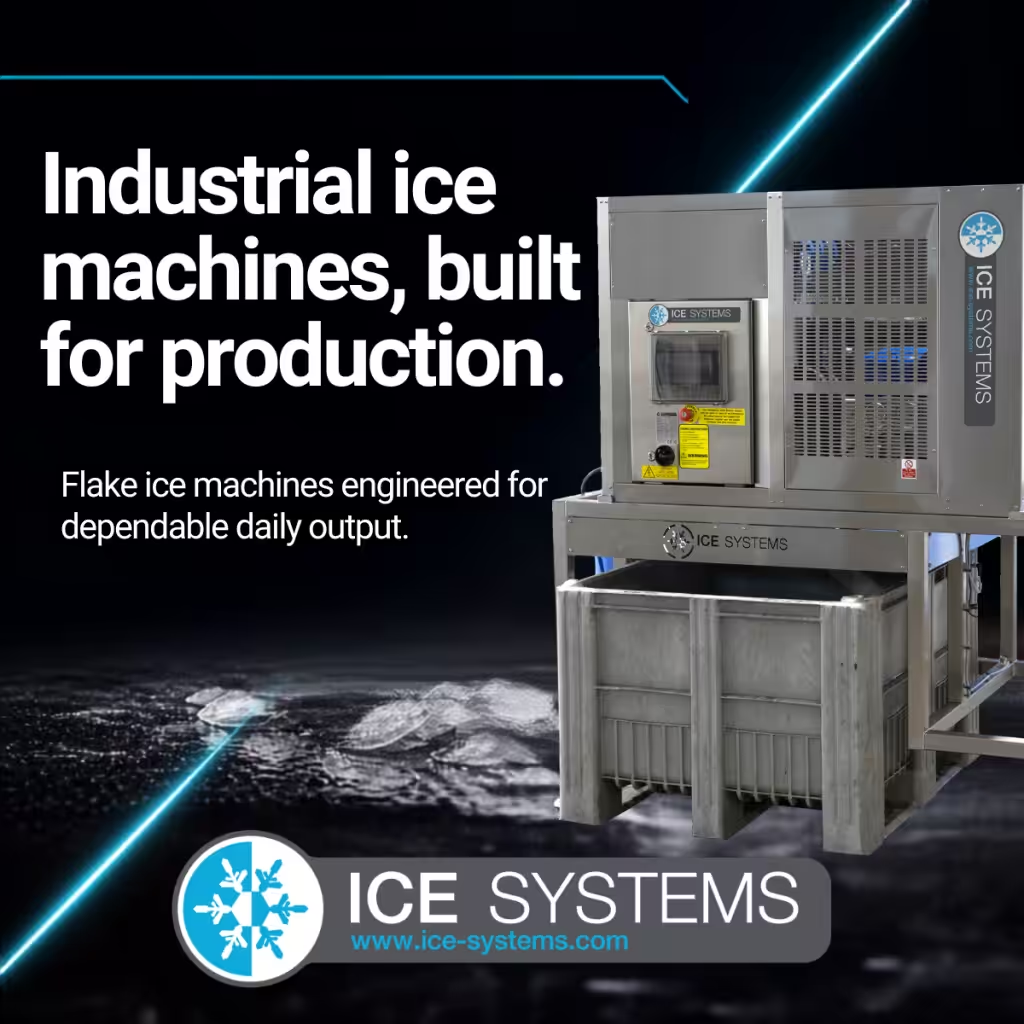
Ice Systems has its own design and build capability at its Grimsby facility, and has installed over 1,100 industrial ice machines across the UK, Europe and the USA. Our current flake ice range is used for high-throughput food production.
Engineering Depth and System Design Expertise
A reliable ice system begins with the correct design. An experienced supplier should examine how ice is actually used within the facility before recommending a model — selecting a machine on daily total alone can leave a site with insufficient capacity, excessive storage, or an installation that doesn't suit the production process.
Ice type. Flake ice and chip ice differ in temperature, structure and handling. The right choice depends on whether the ice is for direct product cooling, recipe inclusion, storage, display or transport. For dry, sub-cooled ice with a large surface area, an industrial flake ice machine is usually the answer — Ice Systems' current flake range covers published capacities from 600kg to 9,000kg per 24 running hours.
Peak demand. Average daily use rarely gives an accurate basis for sizing. A facility may run steadily for most of the day but need far more ice during a production run, unloading period or shift change — the supplier should understand total daily demand, peak hourly demand, and seasonal variation.
Storage and distribution. Producing enough ice is only half the job. The design needs to account for usable bin capacity, the location of production areas, the risk of ice bridging or blocking a discharge point, and hygiene and cleaning access.
Site services and installation conditions. Water, drainage, electrical power and heat rejection all need assessing, alongside delivery access, floor space and maintenance access — identified before the machine arrives, not discovered during installation.
Controls and integration. Where an ice machine forms part of a larger line, its controls may need to talk to storage sensors, conveyors or other processing equipment — and someone needs to own each of those interfaces.
Future capacity. A system shouldn't be designed only around today's requirements. A suitable partner discusses whether the arrangement can expand with another shift, a new line, or seasonal growth, without replacing the whole system.
Why Sector Experience Matters
Two facilities may need the same daily quantity of ice and use it in completely different ways. Bakery production often introduces ice directly into a recipe to control dough temperature. Meat and poultry processing may need rapid product cooling running alongside other equipment. Seafood facilities can see sharp demand spikes during unloading, processing and packing, often across several work areas at once.
Ice Systems supplies industrial flake ice machines across bakeries, meat processing, poultry, seafood and vegetable production. Sector experience doesn't remove the need for a detailed site assessment, but it helps a supplier ask better questions during the design stage.
Installation and Commissioning Standards
A technically suitable machine can still underperform if it isn't installed and commissioned correctly.
The installation scope should be agreed before the order is placed, with a clear line between what the ice system supplier covers and what remains with the customer or another contractor. A well-managed installation should normally cover a pre-installation site assessment, confirmation of access and machine positioning, coordination of water, drainage and electrical services, connection to storage or distribution systems, installation of controls and level sensors, integration with existing production equipment, testing of automatic operating sequences, operator training and handover documentation.
Commissioning should confirm the complete installation works as intended — for a flake ice system, that means verifying the machine starts when ice is required, the water and refrigeration systems operate correctly, and the equipment achieves the required production performance. Any faults or incomplete work should be resolved before the system is accepted for normal production.
Ice Systems' installation process begins with a site survey and can cover everything from machines mounted above Tote or Dolav containers to bespoke arrangements with remote condensers. Commissioning and operator training are completed by our own engineers, and Ice Systems is REFCOM registered and Alcumus SafeContractor approved.
Ongoing Servicing and Lifecycle Support
The relationship with an industrial ice machine supplier shouldn't end when the equipment is commissioned.
Industrial equipment needs routine servicing, inspections and replacement parts throughout its working life, so support arrangements should be reviewed before the machine is purchased, not after a fault occurs. Routine servicing can identify mechanical wear, water restrictions, refrigeration problems, electrical issues, sensor faults, scale build-up, falling ice output and repeated alarms — allowing work to be scheduled before a developing issue becomes an unexpected shutdown.
Ice Systems offers annual service agreements of between 12 and 36 months for purchased machines, as well as fixed-price servicing, F-Gas support and a 24/7 telephone and email hotline. Routine servicing is included with rental machines, and we also provide operator guidance and additional training where required.
What Differentiates a Long-Term Partner From a Short-Term Supplier?
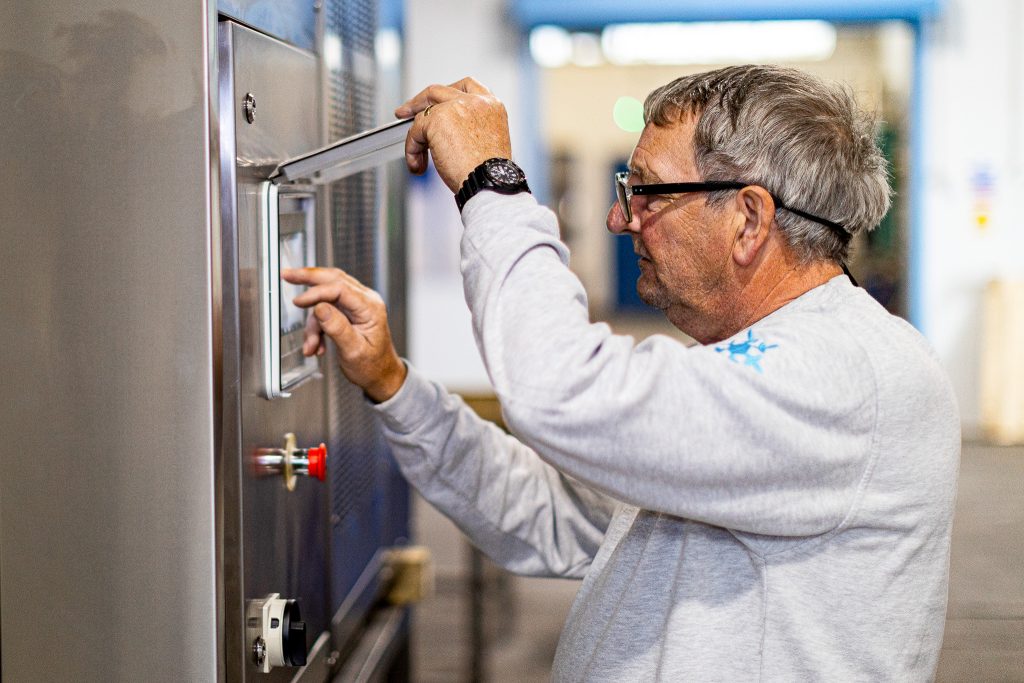
The clearest difference is the scope of responsibility. A short-term transaction focuses primarily on delivering a machine. A long-term partnership considers how the complete system will perform before, during and after installation.
The value of a long-term partner isn't that every project becomes more complicated — it's that the level of engineering support can be matched to the actual operational risk. A simple standalone installation may require relatively little integration; a multi-machine system serving several production lines requires considerably more planning.
Machine output, ice temperature, energy use and purchase price all matter, but shouldn't be assessed in isolation. Ice Systems combines industrial ice machine supply with design and build capability, installation by our own engineers, commissioning, training and structured aftersales support, for both purchased and rental equipment across the UK and international markets. See our full range or get in touch to discuss your requirements.
Frequently Asked Questions
What should I look for in an industrial ice machine supplier?
Look for a supplier that can assess your production requirements, specify the correct machine and storage arrangement, manage installation and commissioning, train operators and provide ongoing servicing and technical support.
Why is a site survey important before selecting an ice machine?
A site survey identifies access, available services, machine positioning, ventilation, storage requirements and integration constraints. It reduces the risk of unexpected installation work and helps ensure the proposed system suits the facility.
Should an industrial ice machine be purchased or rented?
Purchasing may suit facilities with stable, long-term demand. Rental can be useful for seasonal production, temporary capacity increases, or businesses that prefer servicing to be included within a regular payment. The complete commercial and support package should be compared, not only the initial cost.


Products
Ice Systems Offers a Range of Industrial Flake and Chip Ice Machines
Aftersales
Industry Leading Service, Support, Installation and Training

Make An Enquiry
Call 01472 267524 for more information or complete the form below: